Event Execution
Private Chef Event Planning: From First Call to Final Cleanup
15 August 2026 · 13 min read
Get my complete event planning system with checklists, templates, and timing guides. Everything you need to run flawless private chef events.
Buy on Amazon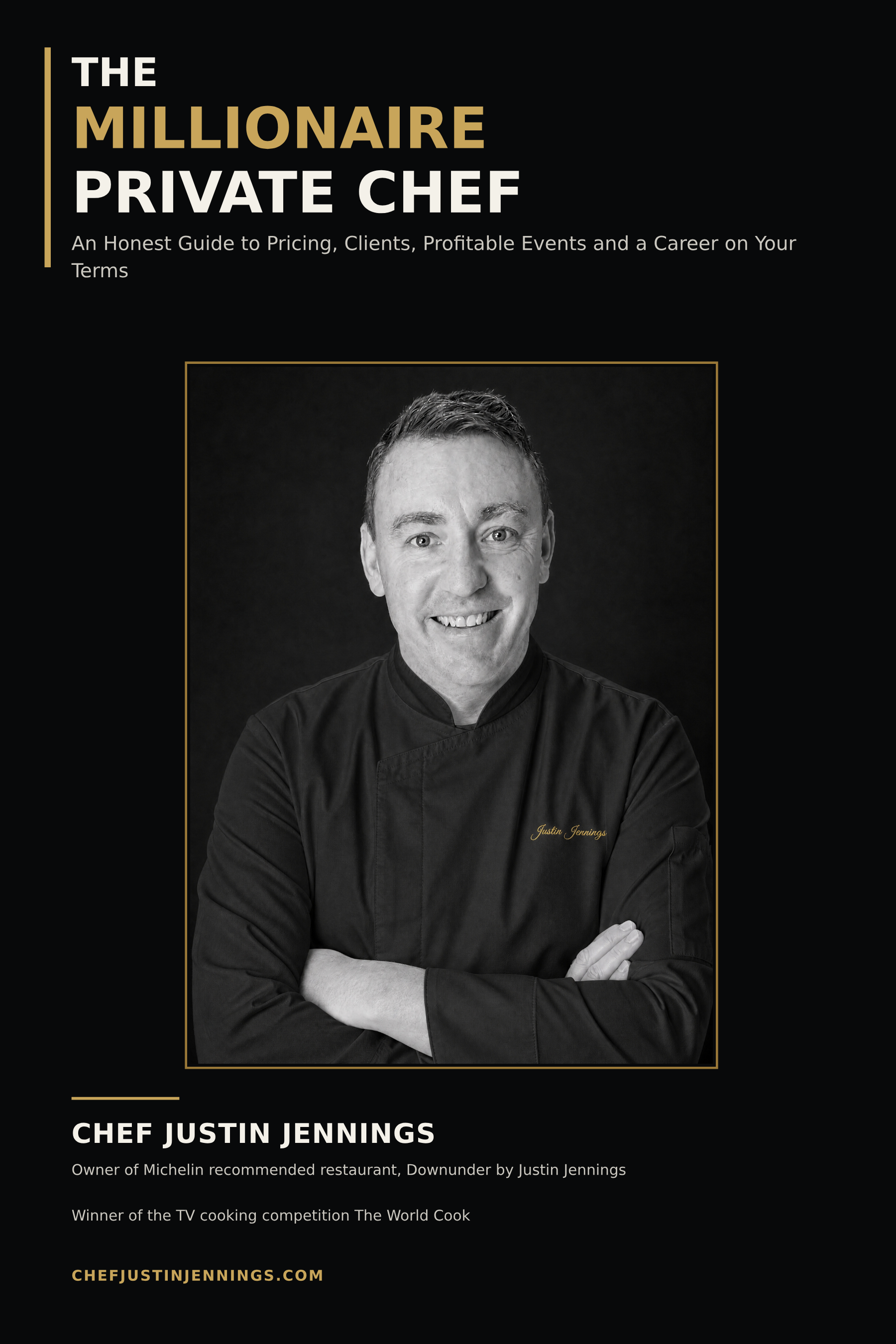
I've done over 500 private chef events. Embassy dinners, celebrity birthday parties, yacht charters, intimate anniversaries. The €500 events and the €5,000 ones. And here's what I've learned: the difference between a chaotic disaster and a smooth, profitable event is a system.
Most new private chefs wing it. They show up with a vague plan, discover the client's oven doesn't work, and spend the night in survival mode. The food gets out eventually, but it's stressful, the client senses the panic, and you swear you'll never do it again.
I've been that chef. I've also refined my process to the point where I can walk into any kitchen, execute a 7-course tasting menu for 14 guests, and leave with the client asking how I made it look so easy.
This is that system. Every phase, every checklist, every timing decision. Use it, and your events will run like clockwork.
Phase 1: The Inquiry Call (30-45 minutes)
The inquiry call is not just information gathering. It's where you establish credibility, manage expectations, and decide if this client is worth your time.
Questions You Must Ask
Don't let the client lead this conversation. You need specific information to build a proposal. Here's my standard list:
- ▸ Event basics: Date, time, location, guest count (and ages if kids involved)
- ▸ Dietary restrictions: Allergies, vegetarian/vegan, religious restrictions, foods they hate
- ▸ Kitchen facilities: Oven, stovetop (gas or electric?), fridge space, counter space, equipment available
- ▸ Event style: Formal sit-down, casual family-style, cocktail party with canapés?
- ▸ Service preference: Do they want you visible (interacting, explaining dishes) or invisible (kitchen only)?
- ▸ Budget range: Don't dance around this. "Most events I do are €75-€105 per person depending on menu complexity. Where does that sit with your expectations?"
- ▸ Occasion: Anniversary, birthday, corporate? This shapes menu tone and formality.
- ▸ Special requests: Specific dishes they must have, themes, pairings
If they're evasive about budget or give you impossible constraints ("€30 per person but we want wagyu and lobster"), that's a red flag. Politely explain what's realistic or walk away.
What You Should Explain
Set expectations early. I tell every client:
- ▸ I arrive 2-4 hours early for setup and prep (they need to be okay with this)
- ▸ I need exclusive kitchen access during my time (no one else cooking simultaneously)
- ▸ Menu is finalized 7 days before the event (no last-minute changes)
- ▸ I bring most equipment but they need to confirm oven, stovetop, and fridge work
- ▸ Final guest count due 48 hours before (minor adjustments okay, major changes affect pricing)
- ▸ 50% deposit due on booking, balance due 24 hours before event
This conversation separates serious clients from tire-kickers. If they balk at any of this, they're not ready to hire a professional.
Phase 2: Menu Development & Proposal (2-3 days)
After the call, you build the proposal. This is a menu, pricing breakdown, and contract rolled into one document.
Building the Menu
Base your menu on what they told you, but lead with your strengths. Don't try to cook everything the client suggests - they hired you for your expertise, not to be a short-order cook.
My menu structure for a typical 4-course dinner:
- ▸ Canapé or amuse-bouche: Sets the tone, can be prepped in advance
- ▸ Starter: Light, visually impressive, mostly cold or room temp
- ▸ Main: The hero dish - this is where you showcase skill
- ▸ Dessert: Can be partially or fully prepped ahead, plated fresh
Each dish should have 3-5 components maximum. More than that and you're setting yourself up for chaos. Aim for 60-70% of the work to happen before you arrive at the venue.
Pricing the Event
Your pricing needs to cover food cost, your time (planning + shopping + travel + event + cleanup), equipment wear, transport, and profit. Most private chefs use per-person pricing with minimums.
My pricing tiers:
- ▸ Essential (€75pp): 3-4 courses, standard ingredients, minimal fuss
- ▸ Signature (€95pp): 4-5 courses, premium ingredients, more technique
- ▸ Prestige (€125pp): 6-7 courses, luxury ingredients, full experience
Minimum guest count is typically 6-8 people. Below that, charge a flat fee equivalent to 8 people - it's the same amount of work for you whether you cook for 4 or 8.
The Proposal Document
Your proposal should include: event details summary, full menu with dish descriptions, pricing breakdown, terms and conditions, and a signature line. I send mine as a PDF with payment link.
Give clients 48-72 hours to review. If they want changes, limit it to one round of revisions. Endless menu tweaking is a time sink - if they're that indecisive, they're not your ideal client.
Complete Private Chef System
Get proposal templates, contracts, equipment checklists, and timing spreadsheets
MICHELIN Guide Selected • 20+ Years Experience • 500+ Events
Buy on AmazonPhase 3: Pre-Event Preparation (7-14 days before)
Once the contract is signed and deposit paid, the real work begins. This phase determines whether your event day is smooth or chaotic.
Shopping & Ingredient Sourcing
I shop 2-3 days before the event for most ingredients, day-of for anything ultra-fresh (fish, herbs). Create a detailed shopping list organized by store and category.
My shopping strategy:
- ▸ Proteins: Order from trusted butcher/fishmonger 5-7 days ahead, pick up 1-2 days before
- ▸ Produce: Market or quality grocer 2-3 days ahead, store properly
- ▸ Specialty items: Order online if needed, allow 7-10 days delivery
- ▸ Backup plan: Always have substitutions in mind in case something's unavailable
Factor shopping time into your pricing. A €1,200 event might require 3-4 hours of shopping across multiple stops. That's €50-80 of your time before you've cooked a single thing.
Advance Prep Work
The more you prep at home, the smoother event day runs. I aim for 70% of the work done before arrival.
What I prep in advance:
- ▸ Sauces and purées: Made, portioned, labeled, ready to reheat
- ▸ Protein prep: Trimmed, portioned, seasoned (if appropriate), vacuum-sealed
- ▸ Vegetable prep: Cleaned, trimmed, sometimes blanched, stored properly
- ▸ Desserts: 80-90% done, final assembly or plating on-site
- ▸ Garnishes: Prepped and ready to plate
- ▸ Mise en place: Everything portioned, labeled, organized in transport containers
Pack everything in clear labeled containers. You'll be working in an unfamiliar kitchen under time pressure - labeling is not optional.
Equipment Checklist
Create a master packing list and customize it per event. I keep a core "go-bag" that's always packed with essentials:
- ▸ Knife roll: Chef's knife, paring knife, serrated, steel, kitchen shears
- ▸ Tools: Tongs, spatulas, whisks, peeler, microplane, thermometer, tweezers
- ▸ Containers: Various sizes for portioning and storage
- ▸ Serving: Platters, serving spoons, squeeze bottles
- ▸ Cleaning: Towels, spray cleaner, trash bags, apron
- ▸ Emergency: First aid kit, bandages, burn gel, spare batteries
Event-specific additions might include: portable burner, sous vide setup, specific pans, molds, or specialty equipment. Pack the night before and double-check against your list.
Phase 4: Event Day Execution
Event day is when all the planning pays off. With proper prep, this should feel controlled and even enjoyable.
Arrival & Setup (2-4 hours before guests)
I typically arrive 3 hours before guests for a 4-course dinner. Larger or more complex events need 4-5 hours.
My arrival routine:
- ▸ Minutes 1-15: Unload car, greet client, quick kitchen tour
- ▸ Minutes 15-30: Assess equipment (test oven temp, check burners), identify workspace zones
- ▸ Minutes 30-60: Organize mise en place, set up stations, start early tasks
- ▸ Hour 2: Main prep work, first components cooking
- ▸ Hour 3: Final prep, plating setup, double-check timing
The client will usually check in during setup. Be friendly but don't let them derail you. If they want to chat, do it while you work - never stop moving.
Service Execution
Once guests arrive, you're in show mode. Stick to your timeline, plate with confidence, and don't apologize for anything unless it's genuinely wrong.
Common timing for 4-course dinner:
- ▸ Canapé with drinks: First 20-30 minutes after arrival
- ▸ Starter: Once seated, 15-20 minutes for course
- ▸ Main: 25-30 minutes after starter cleared
- ▸ Dessert: 20-25 minutes after main
Build buffer time between courses. Better to have guests relaxing with wine than waiting hungry. I always assume things will take 10% longer than planned.
Phase 5: Cleanup & Departure (60-90 minutes)
How you leave is as important as how you cook. A properly cleaned kitchen generates referrals. A mess destroys your reputation.
My Cleanup Process
- ▸ During service: Clean as you go - wash tools between courses, wipe surfaces, organize waste
- ▸ After last course: Start final cleanup while guests finish dessert
- ▸ Dishes: Wash everything you used, dry and put away (or stack neatly)
- ▸ Surfaces: Wipe down counters, stovetop, backsplash - spotless
- ▸ Floors: Sweep and mop your work area
- ▸ Trash: Bag it, take it out, replace bin liner
- ▸ Leftovers: Package properly with labels and storage instructions
I always leave the kitchen cleaner than I found it. It takes an extra 15 minutes, but clients notice and appreciate it.
The Goodbye
Before you leave, check in with the client. Thank them, ask if they need anything else, confirm they're happy. This is your moment to ask for a testimonial or referral while the food is still fresh in their mind.
Leave a business card. Send a follow-up email the next day thanking them and asking for feedback or a review.
Post-Event Follow-Up
The event doesn't end when you leave. Follow-up is where you turn one-time clients into repeat bookings and referrals.
My post-event routine:
- ▸ Next day: Thank-you email with link to leave a review
- ▸ Week 1: Add client to newsletter/mailing list (with permission)
- ▸ Month 3: Check-in email ("thinking about another event?")
- ▸ Month 6: Seasonal menu offer or special promotion
Track every client in a simple CRM or spreadsheet. Note their preferences, dietary needs, what dishes they loved. This intel makes rebooking easy and personalized.
Frequently Asked Questions
How far in advance should a private chef plan an event?
Most private chef events require 2-4 weeks advance planning for smooth execution. This allows time for menu development, ingredient sourcing, equipment preparation, and client communication. High-season events (December holidays, summer) may need 6-8 weeks notice. Rush events with 48-72 hours notice are possible but require premium pricing (typically 30-50% surcharge) and menu flexibility. The sweet spot is 3 weeks - enough time to source quality ingredients without excessive client indecision.
What questions should a private chef ask during the first call?
Essential first-call questions: guest count and ages, dietary restrictions and allergies, event date and timing, kitchen facilities and equipment available, occasion and formality level, budget expectations, service style preference (plated vs buffet vs family-style), any must-have or must-avoid foods. Also ask about parking, kitchen access time, whether they want you visible or behind-the-scenes, and if they need rentals (plates, glassware). These answers shape your proposal and prevent surprises on event day.
How long does private chef event setup take?
Setup typically takes 2-4 hours depending on event complexity. Simple 3-course dinner for 6 guests: 2 hours. Multi-course tasting menu for 12: 3-4 hours. This includes unloading equipment, organizing the kitchen, prepping ingredients, setting up plating stations, and starting early cooking tasks. Always arrive earlier than you think you need - better to have buffer time than rush. Factor in 30-60 minutes extra for unfamiliar kitchens or complex logistics.
What equipment does a private chef bring to an event?
Core equipment for most events: professional chef knives, cutting boards, mixing bowls, measuring tools, thermometers, tongs and spatulas, serving platters and utensils, storage containers, apron and side towels, first aid kit, and cleaning supplies. Additional items depend on the menu: portable burners, sous vide equipment, specific pans or molds, specialty tools. Create a master packing list and customize per event. Many chefs keep a 'go-bag' always packed with essentials to save setup time.
How does a private chef handle cleanup after an event?
Professional cleanup includes: washing all dishes, pots, and equipment used, wiping down all surfaces and stovetops, sweeping/mopping floors in work areas, taking out trash and food waste, organizing leftovers in containers with labels, returning the kitchen to how you found it (or better). This takes 60-90 minutes typically. Some chefs offer 'basic cleanup' (their tools only) vs 'full cleanup' (entire kitchen) at different price points. Always leave the kitchen cleaner than you found it - it's the mark of a professional and generates referrals.
What's the biggest mistake new private chefs make during events?
The biggest mistake is poor time management - underestimating prep time and arriving with too much to do on-site. This leads to stress, rushed plating, and lower quality food. Solution: prep 70-80% before arrival. The second biggest mistake is not communicating timing expectations to clients, resulting in guests arriving before you're ready or food sitting too long. Always give clients a detailed timeline and stick to it. Third mistake: not doing a kitchen check beforehand, then discovering missing equipment or broken appliances on event day.
Should private chefs create a written timeline for each event?
Yes, absolutely. A written timeline is essential for smooth execution and client confidence. Your timeline should include: arrival time, setup completion, guest arrival, course timing (with cook times noted), plating windows, and departure estimate. Share a simplified version with clients so they know when to expect each course. Keep a detailed chef's copy with every task and timing. This prevents panic, keeps you on track, and allows you to train assistants if needed. Events with timelines run 10x smoother than those without.
How do private chefs price event planning and setup time?
Most private chefs build planning and setup into their per-person pricing rather than itemizing it separately. For a €85/person event, roughly €15-20 covers planning, shopping, and setup, with the rest for food cost and cooking/service. Some chefs charge separately for extensive planning (multiple menu revisions, site visits, rental coordination) at €50-100/hour. Travel time beyond 30 minutes is often charged at €30-50/hour. The key is ensuring your total pricing covers all your time - don't give away 3 hours of planning for free.
What should be in a private chef event contract?
Essential contract elements: event date, time, and location, guest count (and overage policy), final menu, total price and payment schedule (typically 50% deposit, 50% before event), cancellation policy (usually deposit non-refundable within 7-14 days), dietary accommodations included, what's provided vs what client supplies, your arrival and departure times, liability and damage clauses, and both signatures. This protects you legally and sets clear expectations. Never start work without a signed contract and deposit - it's amateur hour otherwise.
How many events can a private chef do per week?
Realistically, 2-4 events per week is sustainable for most private chefs, depending on event complexity and your support system. Each event requires planning time (2-3 hours), shopping (2-4 hours), prep (3-6 hours), event execution (4-8 hours), and recovery. That's 11-21 hours per event when you include everything. High-volume chefs doing 5-6 events/week typically have assistants, batch prep strategies, and streamlined menus. Starting out, focus on 1-2 events per week with excellent execution rather than high volume with mediocre results.
Related Reading
- → How to Start a Private Chef Business in 2026
- → Private Chef Pricing Guide: What to Charge
- → Private Chef Equipment: What You Actually Need
Ready to Build Your Private Chef Business?
Get my complete guide with checklists, contracts, proposal templates, pricing calculators, and everything you need to launch and grow a profitable private chef business.
Buy on Amazon500+ Events • MICHELIN Guide Selected • 20+ Years Experience