FREE CHAPTER
Want to Start a Private Chef Business?
Get my complete startup guide including equipment checklists, pricing templates, and client acquisition systems.
Free Starter KitPlus: Join 2,400+ chefs building better careers
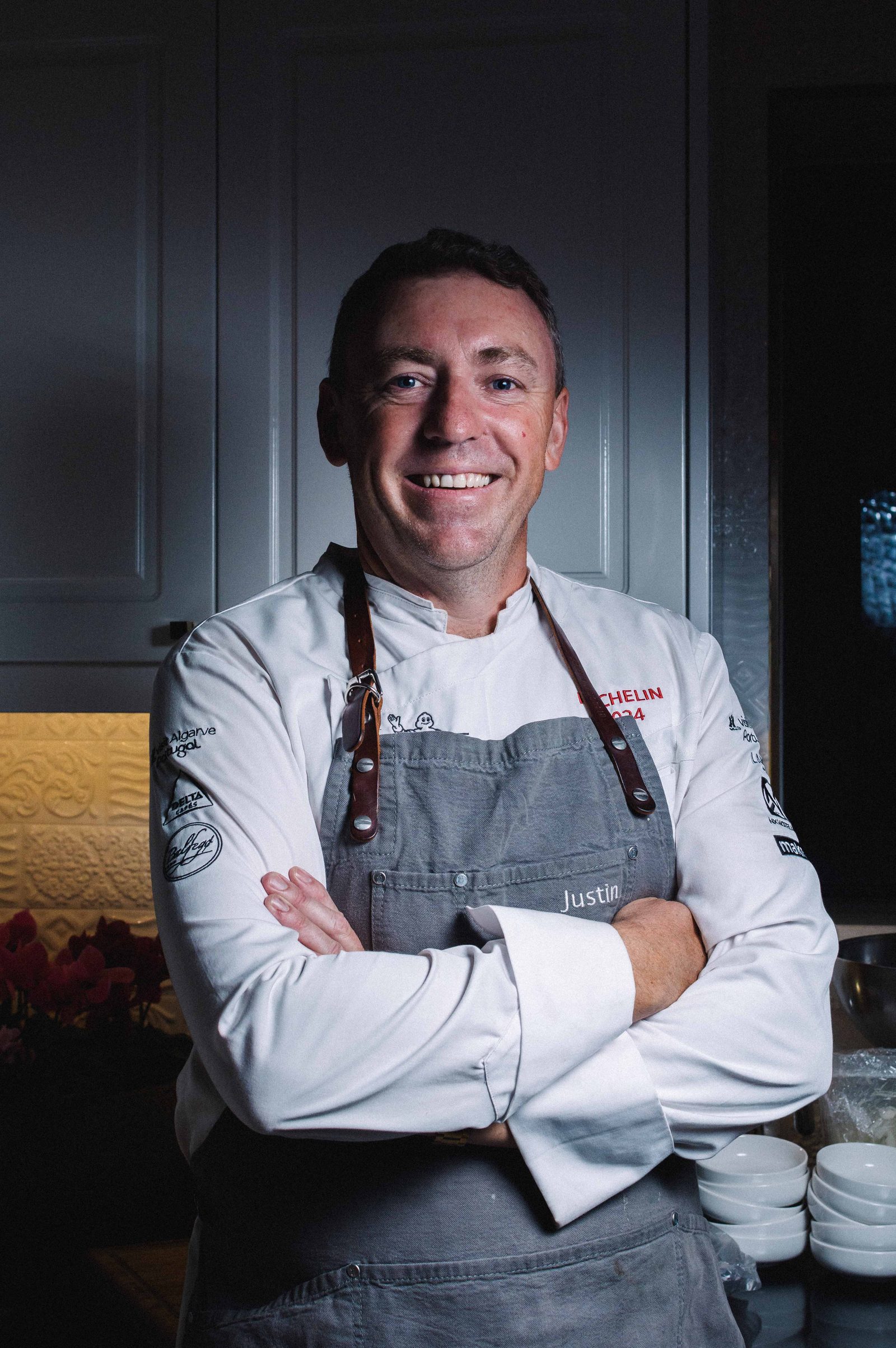
I spent €3,200 on private chef equipment in my first year.
€2,400 of it collects dust in my garage.
Restaurant chefs transitioning to private chef work make predictable mistakes. You overpack. You buy restaurant-grade everything. You think more gear equals more professional.
Wrong.
Private chef work isn't about having the most equipment. It's about having the right equipment that earns its weight literally. If you can't carry it comfortably and use it in 80% of your events, it's dead weight.
After 5+ years and 400+ private events across Lisbon, Cascais, Sintra, and beyond, here's what actually matters.
The €800 Starter Kit (Everything You Actually Need)
This gets you through your first 20-30 events while you learn what you actually use:
Knives & Cutting (€250-€350)
- ▸ Quality chef's knife, 20-25cm (€80-€150) your workhorse
- ▸ Paring knife (€30-€50) detail work, garnishes
- ▸ Serrated bread knife (€40-€60) bread, tomatoes, cakes
- ▸ Kitchen scissors (€15-€25)
- ▸ Knife sharpener or steel (€25-€40)
- ▸ 2-3 cutting boards, different sizes (€40-€60 total)
Cookware (€200-€300)
- ▸ Non-stick pan, 24-28cm (€60-€100) eggs, fish, delicate items
- ▸ Stainless steel pan, 26-30cm (€80-€120) searing, sauces
- ▸ Small saucepan with lid (€40-€60) sauces, reductions
- ▸ Lightweight items you can carry easily
Essential Tools (€150-€200)
- ▸ Instant-read thermometer (€25-€40) non-negotiable for food safety
- ▸ Silicone spatula, metal spatula, wooden spoon, whisk, tongs (€50-€80)
- ▸ Microplane grater (€15-€25)
- ▸ Peeler, can opener, bottle opener (€20-€30)
- ▸ Kitchen timer or use phone (€0-€20)
Storage & Transport (€120-€180)
- ▸ Professional knife roll or bag (€60-€100)
- ▸ Stackable storage containers, various sizes (€40-€60)
- ▸ Insulated bag for temperature-sensitive items (€20-€30)
Total: €720-€1,030
That's it. That's the kit that books clients and executes professional events.
Notice what's missing? Sous vide circulator. Stand mixer. Full cookware set. Specialty gadgets. You don't need them yet.
The One Piece of Gear That Saved My Reputation (Twice)
Portable induction burner.
€120 investment that's earned its place 50+ times.
Why you need it:
- ▸ Client's gas ran out mid-service (happened twice)
- ▸ Electric stovetop couldn't reach high heat for searing (happens constantly)
- ▸ Needed extra burner for complex multi-course menu (every high-end event)
- ▸ Outdoor event with no kitchen access (10-15% of my bookings)
The portable induction burner isn't about convenience. It's about never being the chef who couldn't deliver because of equipment failure.
One bad review from an equipment failure costs more than €120. One lost referral costs more. Your reputation is worth more.
Buy the burner.
Inaugural World Cook Champion • MICHELIN Guide Selected 2024-2026 • 400+ Private Events
Ready to Build Your Private Chef Business?
My complete guide covers equipment strategy, startup costs, pricing, marketing, and the systems that generate €7,000-€10,000 monthly revenue.
Buy on AmazonWhat Clients Actually Have (And What You Can Use)
Most clients have usable equipment. The trick is knowing what to trust and what to bring backup for.
Reliable (Use Theirs):
- ▸ Oven usually works fine, calibrate temperature early
- ▸ Refrigerator storage and organization
- ▸ Large pots boiling pasta, blanching vegetables
- ▸ Baking sheets roasting, prep surface
- ▸ Mixing bowls volume work
- ▸ Serving platters client's dishes fit their aesthetic
Unreliable (Bring Your Own):
- ▸ Knives always dull, wrong size, unsafe
- ▸ Cutting boards stained, warped, too small
- ▸ Stovetop power varies wildly (gas vs electric, BTU differences)
- ▸ Pans non-stick coating destroyed, wrong sizes
- ▸ Thermometer they won't have one or it's inaccurate
- ▸ Specialty items assume they don't exist
My rule: Bring anything that affects food quality, precision, or speed. Use client equipment for volume and convenience.
During the booking call, I ask: "Do you have a gas or electric stovetop?" and "How many burners?" That determines if I'm bringing the portable induction burner or not.
The Restaurant-to-Private-Chef Equipment Mindset Shift
Restaurant thinking kills your efficiency.
In restaurants, you have:
- ▸ Everything within arm's reach
- ▸ Commercial-grade power and equipment
- ▸ Unlimited storage and prep space
- ▸ Team members to fetch items
As a private chef, you have:
- ▸ Whatever fits in your vehicle
- ▸ Residential kitchen constraints
- ▸ Counter space you're sharing with the client's appliances
- ▸ No one to help you
The new rules:
1. Weight matters. Can you carry everything from your car in one trip? Two trips max? If not, you're overequipped.
2. Multi-use beats specialized. A quality chef's knife does 80% of knife work. You don't need a boning knife, filleting knife, cleaver, and Santoku. Pick your best all-rounder.
3. Portable beats powerful. Restaurant chefs want high-BTU burners and commercial ovens. Private chefs need equipment that works in any kitchen, not equipment that works perfectly in ideal conditions.
4. Reliable beats fancy. A €60 non-stick pan that you trust beats a €200 copper pan that's gorgeous but heavy and requires special care.
When I left restaurant work, I tried to pack my entire station. Knife roll, full pan set, specialty tools, backup everything.
First event, I couldn't find parking near the client's building. Carried 30kg of equipment 200 meters uphill. Arrived sweating and flustered.
Never again.
Now I pack like I'm doing a cooking competition: minimum viable equipment for maximum output.
Equipment I Thought I Needed (But Never Use)
The €2,400 worth of gear collecting dust:
Sous Vide Circulator (€180, used 3 times)
Sounds professional. Clients love the idea. Reality: requires advance prep in your own kitchen, transporting water baths, and finishing on-site. It's a logistics nightmare. I'd rather sear a perfect steak in 6 minutes than explain why the sous vide needs 2 hours.
Full Knife Set (€400, use 3 knives)
I use my chef's knife, paring knife, and serrated knife. The other 8 knives in the fancy wooden block? Transported them to 50 events before I admitted they're dead weight. Save €250 by buying 3 great knives instead of 11 mediocre ones.
Expensive Chef Whites (€200, wear casual clothes)
Clients don't want you in chef whites. They want approachable, professional, clean. Black jeans and a clean polo or button-down shirt is the private chef uniform. Save the whites for restaurant kitchens and TV appearances.
Molecular Gastronomy Kit (€150, never opened)
Spherification, gelification, foams. Clients say they want "innovative" food. What they actually want is delicious food that makes sense. No one's impressed by balsamic pearls if the main course isn't perfect. Master the fundamentals, ignore the Instagram tricks.
Stand Mixer (€300, too heavy to transport)
Great for baking. Terrible for private chef work unless you're doing dessert-only events. Clients usually have one if you need it. Otherwise, hand mix or bring an immersion blender (€40, way more portable).
Full Cookware Set (€600, carry 2 pans)
You'll use 2-3 pans per event max. A non-stick and a stainless steel pan handle 90% of cooking. Bringing 8 pots and pans "just in case" means lugging 15kg of metal that sits unused.
When to Upgrade (And What to Prioritize)
After your first 10-20 events, you'll know what you use constantly and what's missing.
Priority Upgrades (Buy When Revenue Justifies It):
1. Better Chef's Knife (€150-€250)
If you started with a €80 knife, upgrade to a Japanese gyuto or high-end German chef's knife. This is your most-used tool. The difference between a good knife and a great knife is speed, comfort, and confidence.
2. Portable Induction Burner (€100-€150)
Already covered. If you skipped it in your starter kit, buy it after your second equipment-related problem.
3. Thermapen or Instant-Read Upgrade (€100)
Faster readings, more accurate, more durable. Cheap thermometers take 5-10 seconds and drift over time. A Thermapen reads in 1 second and lasts years. Worth it once you're doing 8-10 events monthly.
4. Professional Knife Roll (€100-€150)
Client perception matters. A quality leather or canvas knife roll signals "professional" more than a fabric knife case. Upgrade when you're charging €800+ per event and want your equipment to match your pricing.
5. Backup Pan Set (€200-€300)
Duplicate your core pans. If a handle breaks or coating fails mid-event, you're not scrambling. Also useful for multi-course events where you need separate pans running simultaneously.
Don't Upgrade:
- ▸ Gadgets you've never wished you had mid-event
- ▸ Specialized equipment for cuisines you don't cook regularly
- ▸ Anything "Instagram-worthy" that doesn't improve food quality
- ▸ Commercial-grade equipment that's too heavy or powerful for residential kitchens
The €80 Rule: ROI on Equipment
Before buying any equipment over €80, ask:
"Will this earn its cost back within 10 events?"
If it saves you time, improves food quality, prevents disasters, or impresses clients enough to increase bookings, it's worth it.
If it's "nice to have" or "might be useful someday," it's not.
Examples:
€120 portable induction burner = YES. Prevented 2 disaster events, enabled outdoor events (€1,200 each), added extra burner capacity for premium multi-course menus. Earned back in first month.
€180 sous vide circulator = NO. Used 3 times in 2 years. Adds complexity without client-visible benefit. Never earned its cost back.
€100 Thermapen = YES. Faster readings mean better timing, less guessing, more consistent doneness. Intangible but valuable prevents one overcooked steak that loses a client.
€250 copper pan = NO. Looks amazing, cooks beautifully, weighs 2kg. My €80 stainless steel pan does the same job with half the weight and no special maintenance.
Equipment is an investment, not a collection. Buy what earns revenue. Skip everything else.
How to Transport Equipment Without Destroying Your Back
400+ events taught me the hard way:
Pack Like an Emergency Responder:
- ▸ Knife roll goes first. Most important, easiest to forget.
- ▸ Cookware in one bag. Nest pans inside each other, wrap in towels to prevent rattling.
- ▸ Tools in a separate container. Utensils, thermometer, timer, small items together.
- ▸ Ingredients in stackable containers. Everything pre-prepped at home when possible.
- ▸ One trip rule. If you can't carry everything in one trip (two max), you've overequipped.
Vehicle Setup:
I keep a permanent private chef kit in my car:
- ▸ Knife roll (never comes out)
- ▸ Portable induction burner and backup pan
- ▸ Basic tool kit (spatulas, tongs, thermometer)
- ▸ Cutting boards
- ▸ Storage containers and bags
Event-specific items (ingredients, specialty pans, serving pieces) get added the day of.
This system prevents the nightmare scenario: arriving on-site and realizing you forgot your knife roll at home.
The Real Equipment Cost: Maintenance & Replacement
Equipment wears out faster as a private chef than in restaurants.
Why:
- ▸ Constant transport = more drops, bumps, and stress
- ▸ Washing in unfamiliar dishwashers (or hand-washing in client sinks)
- ▸ No equipment storage routine like a restaurant (everything's in bags and boxes)
- ▸ You're using YOUR equipment multiple times per week, not shared restaurant gear
Budget for replacements:
- ▸ Knives: Sharpen every 15-20 events, professional sharpening €15-€25 per knife, 2-3x yearly
- ▸ Non-stick pans: Replace yearly (€60-€100) coating degrades with heavy use
- ▸ Cutting boards: Replace every 6-12 months (€40) warping and staining
- ▸ Thermometer calibration: Check accuracy monthly, replace if drift exceeds 2°C
- ▸ Knife roll/bags: 2-3 years before stitching fails or zippers break
Annual equipment maintenance budget: €300-€500
This isn't optional. Dull knives slow you down and risk injury. Degraded non-stick pans ruin presentations. Broken equipment mid-event destroys your professional reputation.
Factor maintenance into your pricing. If you're charging €750 per event and doing 10 events monthly, that's €90,000 annually. Spending €400 on equipment upkeep is 0.4% of revenue.
Worth it.
Want My Complete Private Chef Equipment Checklist?
Downloadable PDF with brand recommendations, budget breakdowns for starter/mid/premium kits, maintenance schedules, and supplier list (EU + international).
Buy on AmazonFrequently Asked Questions
What equipment do private chefs need?
Essential private chef equipment includes: quality knife set (chef's knife, paring knife, serrated), cutting boards (2-3 sizes), instant-read thermometer, portable induction burner (backup heat source), lightweight pans (non-stick, stainless), storage containers, basic utensils, and a professional knife bag. Total startup cost: €600-€900. Avoid expensive gadgets that don't earn their weight.
How much should I spend on private chef equipment?
Starter kit: €600-€900 covers essentials. Mid-level setup: €1,500-€2,000 adds quality cookware and portable equipment. Premium setup: €3,000-€4,000 includes sous vide, backup appliances, and specialized tools. Don't overspend early buy what you'll use in 80% of events first. Replace restaurant-grade gear mentality with portable, multi-use items.
Do private chefs bring their own knives?
Yes, always. Client knives are usually dull, poorly maintained, or wrong for the task. Professional private chefs carry their own knife roll with chef's knife (20-25cm), paring knife, serrated bread knife, steel or whetstone, and kitchen scissors. This ensures consistency, safety, and speed across all events. Never rely on client equipment for critical tools.
What kitchen equipment can I use at the client's house?
Use client's: oven, stovetop, refrigerator, dishwasher, large pots, baking sheets, serving platters. Bring your own: knives, cutting boards, specialty pans, thermometer, timers, spices, oils. Always have backup portable induction burner and pan client stovetops vary wildly in power and reliability. Ask about equipment availability during booking call to avoid surprises.
Do I need a portable induction burner as a private chef?
Yes, portable induction burners are essential backup equipment. Use when client has weak/broken stovetop, needs extra burners for complex menus, or cooking outdoors. Cost €80-€150 for quality single burner. Saved me multiple times when client's gas ran out mid-service or electric stovetop couldn't reach high heat. Worth the investment for reliability and professional reputation.
What's the most over-hyped private chef equipment?
Over-hyped: sous vide circulators (niche use, heavy, requires advance prep), expensive knife sets (you'll use 3 knives 90% of the time), specialty gadgets (mandoline, spiralizer client usually has these), full cookware sets (you'll carry 2-3 pans max), chef whites (clients prefer casual professional look). Buy based on what 80% of your events actually need, not Instagram aesthetic or restaurant habits.
How do private chefs transport equipment?
Professional private chefs use: hard-sided knife roll (protection + organization), stackable storage containers for ingredients, insulated bags for temperature control, sturdy tote bags or crates for cookware and tools. Everything must be vehicle-friendly and easy to carry from parking to kitchen. Avoid wheeled cases unless you have elevator access guaranteed. Pack strategically: frequently-used items on top, one trip from car if possible.
What equipment do private chefs carry vs use on-site?
Always carry: knives, cutting boards, thermometer, specialty pans, small appliances (portable burner), utensils, storage containers. Use on-site: oven, stovetop, refrigerator, large pots, mixing bowls, baking sheets, serving dishes. The rule: bring anything that affects food quality, precision, or speed. Use client equipment for volume and convenience. Always confirm equipment availability during booking to avoid gaps.
Can you start a private chef business without expensive equipment?
Yes. Minimum viable kit costs €600-€900: quality chef's knife (€80-€150), paring knife (€30-€50), cutting boards (€40), instant-read thermometer (€25-€40), non-stick pan (€60), stainless pan (€80), basic utensils (€50), knife bag (€60-€100), storage containers (€40). Use client's kitchen for the rest. Upgrade incrementally as revenue grows. Equipment doesn't book clients skill and marketing do.
What equipment should private chefs upgrade first?
Priority upgrades: 1) Quality chef's knife if you started cheap (€150-€250, impacts every event). 2) Portable induction burner (€100-€150, reliability insurance). 3) Instant-read thermometer upgrade to Thermapen (€100, speed and accuracy). 4) Professional knife roll (€100-€150, client perception). 5) Backup pan set (€200, reduces risk). Upgrade based on frequency of use and impact on service quality, not trends or aesthetics.
Related Reading
Ready to Build a Profitable Private Chef Business?
My complete guide covers everything from equipment and startup costs to pricing, marketing, and scaling to €7,000-€10,000 monthly revenue. Written by a chef who's done it MICHELIN Guide Selected, 400+ events, and 5+ years in the business.
Get instant access to:
- ✓ Equipment checklists with brand recommendations and budget breakdowns
- ✓ Pricing calculator and client proposal templates
- ✓ Marketing systems that fill your calendar without paid ads
- ✓ Legal and insurance setup checklist
- ✓ First-year action plan (month-by-month)
- ✓ Client acquisition scripts and email templates
Paperback, 120 pages. Available on Amazon.
⭐ Returns for Amazon purchases follow Amazon’s applicable policies.