Private Chef Business
Do You Need Certification to Be a Private Chef? (The Truth)
23 July 2026 · 14 min read
Confused about what credentials you actually need to start as a private chef? My book breaks down the legal requirements, optional certifications, and what clients truly care about plus the exact setup checklist I used to launch my business.
Buy on Amazon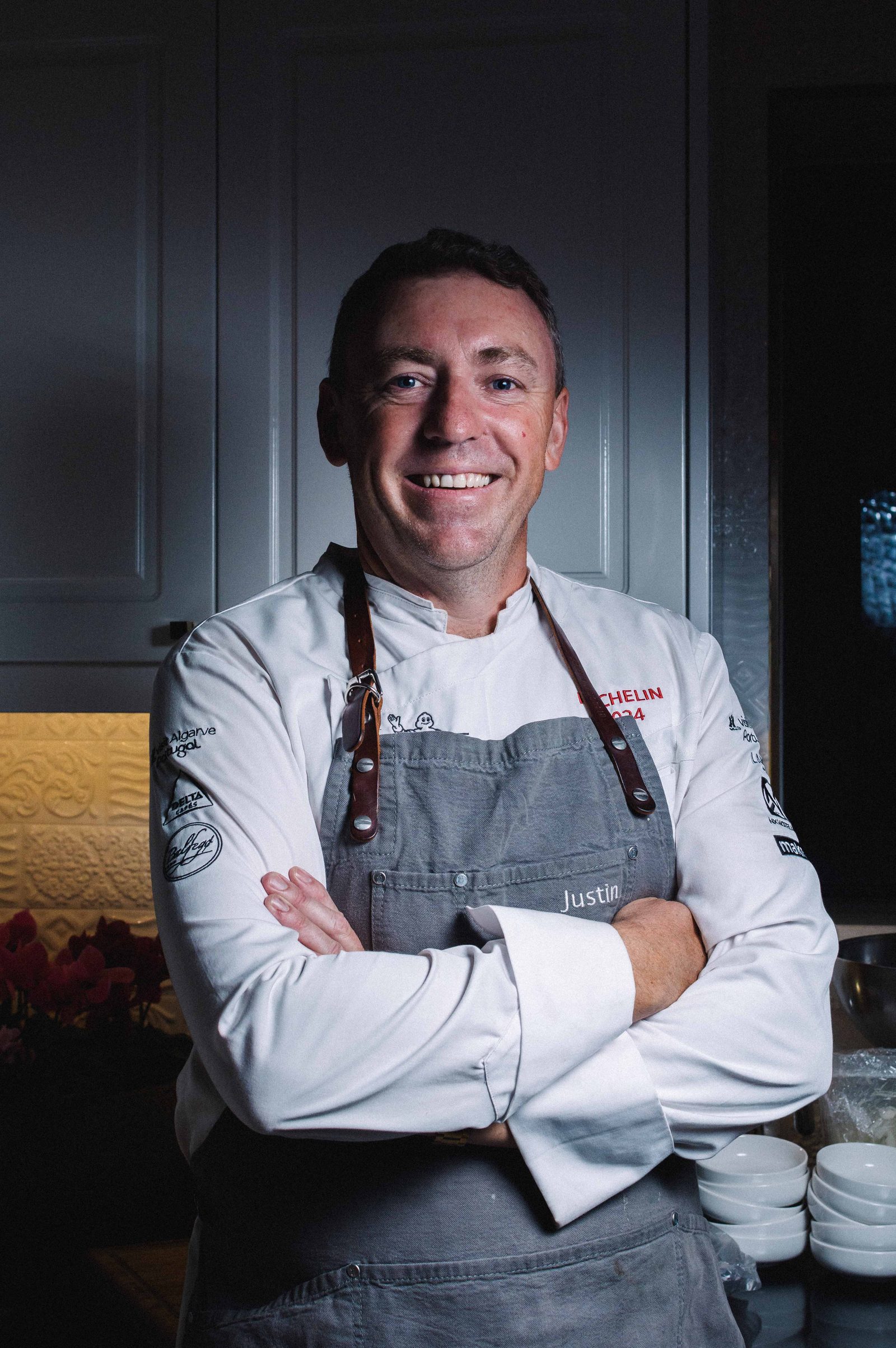
"Do I need certification to be a private chef?"
I get this question constantly. From burnt-out restaurant chefs considering the switch. From home cooks who want to go pro. From culinary students wondering if their diploma matters.
Here's the short answer: No, you don't need formal certification to be a private chef.
But that's not the full picture. Because while certification isn't legally required, there are credentials that matter and others that don't. There's what regulatory bodies require versus what clients actually care about. And there's a massive difference between "certification" (professional credentials like ACF Certified Executive Chef) and "food safety certification" (legally required training in safe food handling).
After five years running a private chef business earning €78,000 last year, working with high-net-worth clients and corporate events I've learned exactly which credentials matter and which are expensive distractions.
This post is the definitive answer. What you legally need. What clients ask for. What certifications I have (and don't have). When formal credentials help versus when they're a waste of money. And the alternative credentials that carry far more weight than any certificate.
Let's start with the legal basics.
The Legal Reality: No Mandatory Licensing for Private Chefs
Unlike doctors, lawyers, or electricians, private chefs don't have a mandatory licensing body or regulatory certification requirement in most countries.
There's no "Private Chef License" you must obtain to operate legally. No government agency that certifies you before you can charge clients. No professional board exam you must pass.
This surprises people. But cooking isn't a regulated profession in the same way medicine or law is. Anyone can call themselves a private chef and start taking bookings.
However and this is critical just because certification isn't legally required doesn't mean you don't need any credentials. You absolutely do. Specifically:
- Food safety certification (ServSafe, Level 2 Food Hygiene, HACCP, or equivalent in your region)
- Liability insurance (general liability + professional liability, minimum €1-2 million coverage)
- Business registration (sole trader, LLC, or equivalent in your country)
- Tax registration (VAT number if applicable, business tax ID)
Those are table stakes. You can't operate professionally without them. But none of those are "chef certifications" in the way people usually mean when they ask this question.
When people say "Do I need certification?" they're usually asking about formal culinary credentials like an ACF (American Culinary Federation) certification, a culinary school diploma, or specialized training credentials.
And the answer to that is: No, you don't need them. But let's dig into when they help.
What Certifications I Have (And Don't Have)
I'm a working private chef. I've cooked at MICHELIN-starred restaurants. I won the inaugural season of The World Cook on Amazon Prime. I charge €95-130 per person for private events. I've worked with embassies, tech executives, and luxury villa clients.
Here's what I have in terms of formal credentials:
- Food safety certification (Level 2 Food Hygiene, renewed every 3 years)
- Professional liability insurance (€2 million coverage through Hiscox)
- 20+ years of restaurant experience (including roles at MICHELIN-starred restaurants in Hong Kong and Europe)
- TV competition win (The World Cook, Season 1, Amazon Prime)
- MICHELIN Guide selection (Downunder by Justin Jennings, 2024-2026)
Here's what I don't have:
- ACF certification (no Certified Executive Chef or Certified Personal Chef designation)
- Formal culinary school diploma (I trained through restaurant apprenticeships, not culinary school)
- Sommelier certification (I know wine, but I'm not WSET-certified)
- Pastry certification (I can make desserts, but I'm not a certified pastry chef)
Has the lack of formal certifications hurt my business? Not once.
In five years and 200+ private events, fewer than 10% of clients have asked about my certifications. What they ask about instead: Where have you cooked before? Can I see your portfolio? Do you have insurance? Can I taste a sample menu? Do you have testimonials?
They care about my track record, not my certificates.
Skip the expensive certifications
My book includes the exact credentials checklist, food safety requirements by region, insurance setup guide, and portfolio-building strategies that actually book clients without spending thousands on unnecessary certifications.
Get the Roadmap →What Clients Actually Care About
Let me tell you about two chefs I know in Lisbon.
Chef A has an ACF Certified Executive Chef designation, a diploma from Le Cordon Bleu Paris, and WSET Level 2 sommelier certification. On paper, she's incredibly qualified. Her certifications cost her €30,000+ over five years.
Chef B is self-taught. No culinary school. No ACF certification. But he spent 10 years working his way up in Michelin-starred restaurants, appeared on a local cooking competition show, and has a killer Instagram feed with 8,000 followers and stunning food photos.
Who do you think books more private events?
Chef B. By a landslide.
Because clients don't hire certifications. They hire confidence, personality, portfolio, and proof that you can deliver.
Here's what clients actually care about when they're deciding whether to book you:
- Portfolio: Photos of your food. Are the dishes visually appealing? Do they match the client's style (rustic vs fine dining, casual vs formal)?
- Testimonials: Reviews from past clients. Social proof matters far more than certifications.
- Experience: Where have you worked? If you've cooked at a MICHELIN-starred restaurant, that's far more impressive than an ACF cert.
- Personality: Are you easy to communicate with? Do you adapt to their requests? Private chef work is 50% cooking, 50% hospitality.
- Insurance: They want to know you're covered if something goes wrong. Liability insurance is non-negotiable.
- Menu fit: Can you cook what they want? If they want Thai food and your background is Italian, your credentials don't matter.
Notice what's not on that list? Certifications.
That said, there are exceptions. Certain clients corporate bookings, ultra-high-net-worth families, long-term retainer positions do request formal credentials. But they're the minority. For most private chef bookings (dinner parties, celebrations, villa events, weekend gigs), your portfolio and track record are what close the deal.
Food Safety Certification: The One You Actually Need
If there's one certification every private chef must have, it's food safety certification.
This is non-negotiable. It's cheap, quick, and legally/insurance-required in most regions. If you skip this, you're exposed to massive liability risk.
Food safety certification teaches safe food handling practices: temperature control, cross-contamination prevention, allergen management, hygiene protocols. It's what protects your clients (and you) from foodborne illness.
Regional standards:
- United States: ServSafe Food Handler or ServSafe Manager certification
- United Kingdom / EU: Level 2 Food Hygiene certification
- Canada: Food Handler Certification (varies by province)
- Australia: Food Safety Supervisor certification
The training typically takes 4-8 hours (online or in-person), costs €50-150, and must be renewed every 3-5 years. Some regions don't strictly enforce this for independent private chefs (as opposed to catering businesses), but you should get it anyway.
Why?
- Liability protection: If a client gets food poisoning and you don't have food safety certification, you're exposed to legal risk and your insurance may not cover you.
- Insurance requirement: Most liability insurance providers require proof of food safety training.
- Client trust: It shows you take food safety seriously. Corporate clients and high-net-worth families often request proof.
- It's cheap and fast: €50-150 and 4-8 hours of your time. No excuse not to have it.
Get your food safety certification before your first paid event. It's the one certification that's truly non-negotiable.
When ACF Certification Actually Helps (And When It Doesn't)
ACF (American Culinary Federation) certification is the gold standard for professional chef credentials in the US. The main designations relevant to private chefs:
- Certified Personal Chef (CPC): Designed specifically for private and personal chefs
- Certified Executive Chef (CEC): High-level certification requiring 10+ years experience
- Certified Sous Chef (CSC): Mid-level certification
ACF certification requires documented work experience, continuing education credits, and passing written + practical exams. It costs €500-2,000+ depending on the level, plus ongoing membership fees.
When ACF certification helps:
- You're in a competitive market (NYC, LA, London) and need differentiation
- You're targeting corporate clients who value formal credentials
- You're positioning yourself as premium/luxury (€150+/person events)
- You want to teach or consult (credentials carry weight in education contexts)
- You're transitioning from a non-chef background and need legitimacy
When ACF certification doesn't help:
- You already have strong restaurant credentials (MICHELIN experience, head chef roles)
- You're targeting mid-market clients (€60-90/person) who care more about portfolio than credentials
- You're in a smaller market with less competition
- You're early in your career and the cost is prohibitive
My take? If you're starting out, skip ACF certification initially. Invest that €2,000 in professional food photography, a website, and insurance instead. Those will drive more bookings than a certification. Once you're established and earning €50,000+/year, then consider ACF if it aligns with your client base.
Is Culinary School Required? The ROI Question
Culinary school is a hot-button topic. Some chefs swear by it. Others call it an overpriced waste of time.
The truth? It depends on where you're starting from.
Culinary school makes sense if:
- You have zero professional kitchen experience and want structured training
- You're young (early 20s) and have time to invest in education
- You want to work in high-end restaurants before going private
- You're targeting ultra-high-net-worth clients who value pedigree (Le Cordon Bleu, CIA)
Culinary school is probably a waste if:
- You already have 3-5+ years of restaurant experience
- You're 30+ and want to launch a private chef business quickly
- You can't afford the €15,000-50,000 cost without going into debt
- You're targeting mid-market clients who won't care about your diploma
The ROI calculation is brutal. Let's say culinary school costs €30,000 and takes 18 months. That's €30,000 you could have invested in starting your private chef business. Plus 18 months of lost income (you could have been booking events and earning money instead).
For most aspiring private chefs over age 25, the better path is: work in a good restaurant for 1-2 years (paid apprenticeship), then launch your private chef business on the side. You'll learn faster, earn money, and avoid debt.
That said, if you're starting from zero and culinary school is accessible to you, it can accelerate your learning curve. Just go into it with eyes open about the cost.
Alternative Credentials That Carry More Weight
Instead of spending €30,000 on culinary school or €2,000 on ACF certification, focus on credentials that clients actually notice:
1. MICHELIN Restaurant Experience
Working at a MICHELIN-starred restaurant even as a line cook carries enormous weight. It signals technical skill, pressure management, and high standards. This credential gets you more bookings than any certificate.
2. TV Appearances or Competition Wins
MasterChef, Top Chef, Chopped, local cooking shows these are public-facing credentials that clients recognize. Winning the inaugural season of The World Cook has been worth more to my business than any formal certification. People trust what they see on screen.
3. Published Work (Cookbooks, Articles, Recipes)
Published recipes in magazines, a cookbook, a food blog with following these establish authority. They're also easier to showcase than a certificate ("Here's my book" beats "Here's my ACF designation").
4. Strong Online Presence
Instagram following (2,000+ engaged followers), Google reviews (4.5+ stars, 20+ reviews), and a professional website with portfolio are modern credentials. Clients Google you. What they find matters more than your resume.
5. Awards and Recognition
Local "Best Chef" awards, embassy partnerships, catering for high-profile events these are social proof credentials. Frame them on your website. They signal trust and exclusivity.
6. Specialty Expertise
WSET sommelier certification, advanced pastry training, mastery of a specific cuisine (Japanese, French, vegan) these niche credentials help you stand out. They're more valuable than generalist certifications because they attract specific client segments.
If you're deciding between spending €2,000 on ACF certification or €2,000 on professional food photography + a website, choose the latter. It will drive more bookings.
The Bare Minimum to Start Today
Let's say you want to start taking private chef bookings this month. What's the absolute minimum you need?
Legal/compliance:
- Food safety certification (€50-150, 1-2 days)
- Liability insurance (€300-800/year for €1-2 million coverage)
- Business registration (sole trader, LLC, or equivalent)
- Business bank account + invoicing system
Skills/experience:
- Ability to cook confidently for 6-12 people
- Menu planning and costing skills
- Professional communication (emails, pricing discussions)
- Basic understanding of dietary restrictions
Marketing/sales:
- Portfolio (10-15 professional photos of your food)
- Simple one-page website or Instagram profile
- Pricing structure (know what you charge)
- 3-5 testimonials (from friends/test events if you're starting)
That's it. Everything else formal certifications, culinary school, sommelier credentials, advanced specializations you can add as you grow.
Start lean. Book your first 10 events. Reinvest profits into building your business infrastructure. Don't wait until you're "certified enough." You're ready now.
Ready to Launch Your Private Chef Business?
My book includes the complete startup checklist: legal requirements by region, insurance setup, food safety certification guide, pricing strategies, contract templates, portfolio-building tactics, and the exact 90-day roadmap I used to go from restaurant chef to €6,500/month private chef.
Buy on AmazonPaperback available on Amazon.
Frequently Asked Questions
Do you legally need certification to be a private chef?
No, there's no legal requirement for private chef certification in most countries. Unlike professions like medicine or law, there's no mandatory licensing body for private chefs. However, you do need food safety certification (ServSafe, Level 2 Food Hygiene, or equivalent) and liability insurance. Some jurisdictions require business registration and tax ID numbers if you're operating as self-employed.
What certifications do most successful private chefs have?
Most successful private chefs have food safety certification (ServSafe or equivalent) and liability insurance those are table stakes. Beyond that, it varies widely. Some have culinary school diplomas, ACF certification, or specialized certifications (wine, pastry, nutrition). But many top-earning private chefs have none of those. What they have instead: years of restaurant experience, a strong portfolio, client testimonials, media appearances, competition wins, or work at MICHELIN-starred restaurants.
Is culinary school required to become a private chef?
No, culinary school is not required. Many successful private chefs are self-taught or learned through restaurant apprenticeships. That said, culinary school provides structured training in techniques, theory, and kitchen fundamentals that can accelerate your learning curve. It's most valuable if you're starting from zero experience. The trade-off: culinary school costs €15,000-50,000+ and takes 6 months to 2 years.
Do clients actually ask to see certifications?
Rarely. In my five years as a private chef, fewer than 10% of clients have asked about certifications. What they ask about instead: Where have you cooked before? Can I see your menu portfolio? Do you have insurance? Can you provide references or testimonials? The exceptions: corporate clients, ultra-high-net-worth families with security protocols, and clients hiring for long-term retainer positions may request proof of credentials.
What's the most important certification for a private chef?
Food safety certification, hands down. This is non-negotiable. Every private chef should have ServSafe (US), Level 2 Food Hygiene (UK), HACCP training, or equivalent in their region. It proves you understand safe food handling, cross-contamination, allergen management, and temperature control. Beyond legal compliance, it protects you from liability. Most insurance providers require it.
Is ACF certification worth it for private chefs?
It depends on your market and client base. ACF (American Culinary Federation) certification like Certified Executive Chef (CEC) or Certified Personal Chef (CPC) carries weight with certain clients, especially corporate and high-net-worth individuals who value formal credentials. The downsides: it's expensive (€500-2,000+ depending on level), requires documented work experience and continuing education, and involves written/practical exams. For most private chefs, ACF certification isn't necessary to build a profitable business.
What alternative credentials help private chefs succeed?
Instead of traditional certifications, focus on credentials that demonstrate real-world excellence: MICHELIN-starred restaurant experience, TV appearances or competition wins, published recipes or cookbooks, awards or recognitions, specialty training (sommelier, pastry, specific cuisines), and strong online presence (Instagram following, website with portfolio, Google reviews). These 'soft credentials' often carry more weight with clients than formal certifications.
Do you need a food handler license to be a private chef?
Yes, in most regions you need food handler certification (also called food safety or food hygiene certification). This is different from professional chef certifications. Food handler training teaches safe food handling practices and is often legally required for anyone preparing food commercially. In the US, ServSafe is the standard. In the UK/EU, it's Level 2 Food Hygiene or equivalent. The training typically takes 4-8 hours online, costs €50-150, and must be renewed every 3-5 years.
Can you be a private chef without formal training?
Absolutely. Many successful private chefs are self-taught or learned through restaurant work rather than formal culinary school. What matters is your ability to cook well, manage events professionally, and satisfy clients. That said, being self-taught means you need to compensate with: extensive practice, portfolio building (professional photos of your dishes), testimonials and reviews (social proof), and niche specialization (focus on a specific cuisine or dietary niche).
What's the minimum requirement to start as a private chef today?
The bare minimum to start legally and professionally: food safety certification (ServSafe, Level 2 Food Hygiene), liability insurance (€300-800/year for €1-2 million coverage), business registration (sole trader, LLC, or equivalent), and basic accounting setup (business bank account, invoicing system, tax tracking). Skills-wise, you need to be able to cook confidently for 6-12 people, plan and cost menus, handle dietary restrictions, and communicate professionally with clients.
Related Reading
Getting Started
How to Start a Private Chef Business in 2026
The complete step-by-step guide to launching your private chef business from scratch.
Income
Private Chef Salary 2026: How Much Can You Really Make?
Real income numbers, pricing models, and earning potential by market and experience level.
Career Transition
How I Went From Restaurant Chef to €1,000/Night Private Chef
My journey from exhausted restaurant chef to earning €1,000+ per event in under 3 years.