Seasonal Strategy
Autumn Private Chef Season 2026: Your Most Profitable Quarter Starts Now
31 August 2026 · 18 min read
Last year, I earned €35,400 between September and December. That was 42% of my annual revenue in just four months. The autumn season is when private chefs make real money, but only if you know how to position yourself, price strategically, and capture bookings early. My book includes the complete seasonal revenue playbook, corporate client acquisition tactics, and holiday pricing strategies that maximize Q4 earnings.
Buy on Amazon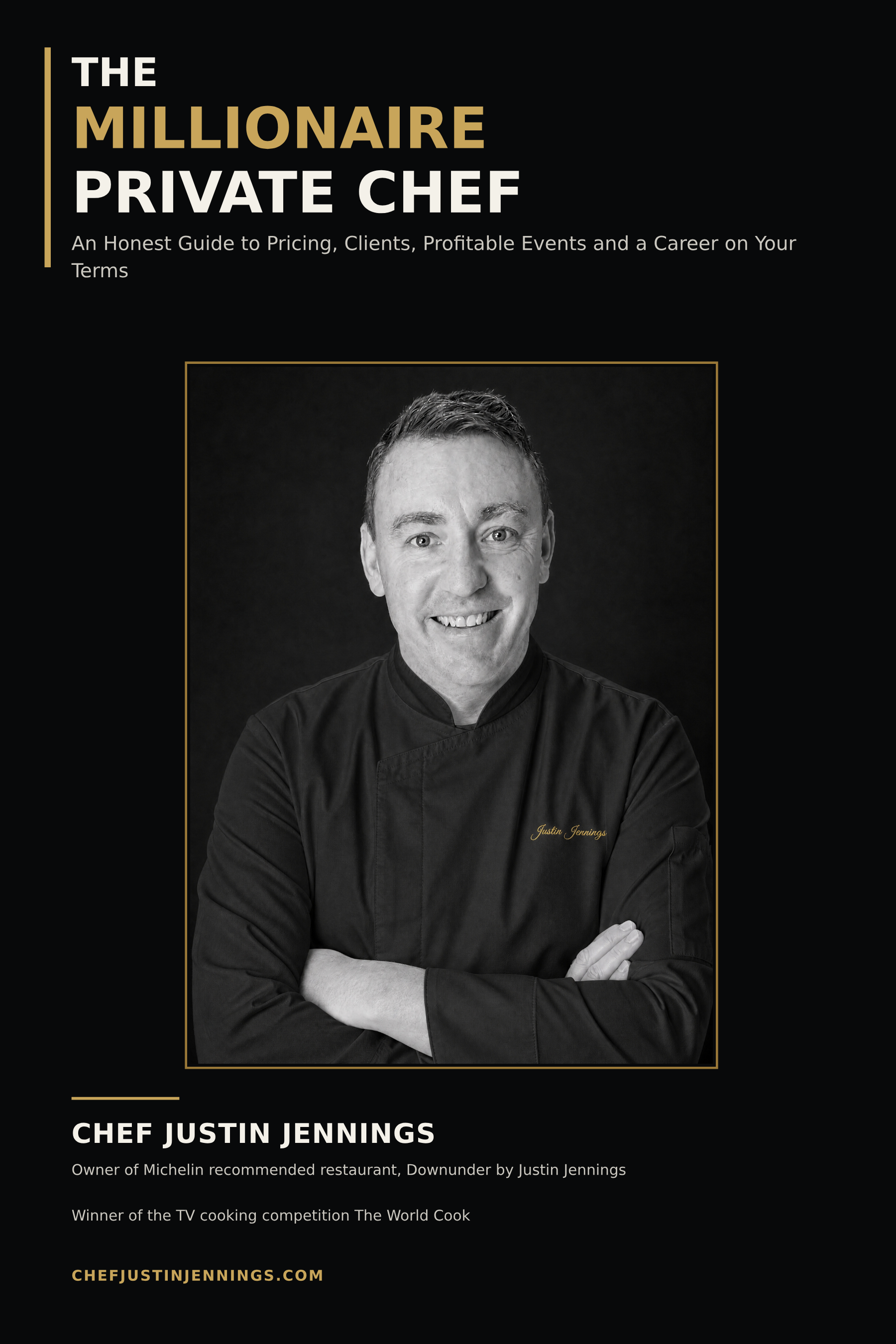
It's August 31st. Summer is over. And if you're a private chef or thinking about becoming one, the next four months are about to determine whether you have a great year or a mediocre one.
September through December represents 40-50% of annual revenue for most private chef businesses. It's when corporate budgets refresh, holiday parties book up, and clients are willing to spend premium rates for seasonal experiences. Miss this window, and you will spend January and February scrambling to cover expenses.
I learned this the hard way in my first year. I treated autumn like any other season, didn't adjust pricing, didn't proactively market, and watched other chefs book 18-22 events per month while I struggled to fill 10. I left €12,000-€15,000 on the table because I didn't understand seasonal demand.
I never made that mistake again.
This guide breaks down everything you need to maximize autumn season revenue as a private chef. You will learn exactly which event types to target, how to price for peak season, when clients book (and how to capture them early), seasonal menu strategies, corporate client acquisition, and how to set yourself up for a €25,000-€40,000 fourth quarter.
The busy season starts now. Let's make sure you are ready.
Why September to December Is Peak Season for Private Chefs
Autumn is the most profitable season for private chefs because three factors converge: corporate budget cycles, holiday celebrations, and weather-driven demand.
Corporate budgets refresh in September. Companies that operate on calendar-year budgets (most do) have leftover funds in Q4 that need spending before December 31st. Finance teams actively look for team-building activities, client entertainment, and employee appreciation events. This is when you land €1,200-€2,800 corporate bookings with 12-25 guests at €95-€140 per person.
Holidays create celebration demand. September has back-to-school celebrations and early autumn gatherings. October brings Thanksgiving (in North America and Canada), Halloween parties, and milestone birthdays. November is corporate holiday party season. December is Christmas, New Year's, and year-end celebrations. Each holiday represents a booking opportunity with premium pricing justified by seasonal demand.
Weather drives indoor entertaining. Summer means outdoor grilling and casual food. Autumn means intimate dinner parties, multi-course tasting menus, and sophisticated home entertaining. Clients want impressive food they cannot easily execute themselves, which is exactly what private chefs deliver. And unlike summer (when clients travel or eat outside), autumn means people are home and hosting.
The result? September to December represents 42-48% of annual revenue for established private chefs, with December alone often accounting for 15-18% of the entire year.
If you are in your first year, Q4 can generate €15,000-€22,000. If you are established, €28,000-€42,000 is realistic. But only if you approach it strategically.
Autumn Revenue Breakdown: What You Can Realistically Earn
Here is what autumn earnings look like based on experience level and event volume:
| Experience Level | Events/Month | Average Rate | Sep-Dec Revenue |
|---|---|---|---|
| First 6 months | 6-10 | €75-€85/person | €14,400-€27,200 |
| Year 1 | 10-14 | €85-€95/person | €27,200-€42,560 |
| Year 2-3 | 12-18 | €95-€120/person | €36,480-€69,120 |
| Established (4+ years) | 15-22 | €110-€140/person | €52,800-€98,560 |
Note: Calculations assume 8 guests average per event, 4 months, and standard seasonal pricing (no holiday premium included)
These numbers assume you market proactively, implement seasonal pricing, and target the right event types. If you treat autumn like summer and wait for bookings to come to you, cut these projections by 30-40%.
My Q4 last year: 68 events, €35,400 gross revenue, €24,780 net after expenses. That was 42% of my annual income in 30% of the year. Autumn is when private chefs make money.
From The Book
Ready to Build a Six-Figure Private Chef Business?
My book includes the complete seasonal revenue playbook, corporate client acquisition systems, holiday pricing strategies, and financial planning templates that helped me go from €52,000 in year one to €127,000 in year four.
Buy on AmazonInaugural World Cook Champion · MICHELIN Guide Selected · 20+ years culinary experience
The 5 Most Profitable Autumn Event Types
Not all autumn bookings are equal. These five event types generate the highest revenue and best client relationships:
1. Corporate Team-Building Dinners (€1,200-€2,800 per event)
Corporate clients book 10-25 person dinners for team bonding, quarterly celebrations, or client entertainment. These events pay €95-€140 per person, require less customization than personal events (fewer dietary restrictions, standard menus work), and offer repeat booking potential (quarterly or annual).
How to land them: Partner with corporate event planners, reach out to HR departments in September, offer interactive cooking class + dinner combos, target small to midsize companies (easier to reach decision-makers), and emphasize team-building value, not just food.
Typical booking: 12 colleagues, €115/person, €1,380 total, 6 hours work (€230/hour effective rate)
2. Thanksgiving Dinners (€840-€1,800 per event)
Thanksgiving is the single most requested private chef service in North America and increasingly popular among expat communities in Europe. Clients want traditional dishes executed perfectly without the stress of cooking for 8-16 people.
Why it is profitable: High volume (you can do 2-3 per day if staged properly), premium pricing justified (€105-€150/person), repeat clients (families book annually), upsell opportunities (leftover packages, pies, next-day brunch).
Typical booking: 10 family members, €120/person, €1,200 total, 5 hours onsite work
3. Milestone Birthday and Anniversary Dinners (€720-€1,440 per event)
Autumn birthdays (especially 40th, 50th, 60th milestones) and anniversaries command premium pricing because they are once-in-a-lifetime celebrations. Clients spend more, care deeply about the experience, and generate strong referrals.
Positioning: Emphasize personalization (favorite dishes, family recipes, dietary accommodations), create a memorable experience (not just food), offer add-ons (custom menus printed, wine pairings, birthday cake integration).
Typical booking: 8 guests, €110/person, €880 total, 5 hours work
4. Business Entertaining (Client Dinners) (€960-€2,240 per event)
Professionals who entertain clients at home (lawyers, consultants, real estate agents, business owners) book private chefs to impress without the public setting of a restaurant. These clients value discretion, professionalism, and flawless execution.
Target clients: High-income professionals, business owners, luxury real estate agents, wealth managers, anyone who entertains clients as part of their work.
Typical booking: 6-10 guests, €120-€160/person, €960-€1,600 total, 5-6 hours work
5. Seasonal Tasting Menus and Wine Pairing Dinners (€760-€1,680 per event)
Foodies and wine enthusiasts book autumn tasting menus featuring seasonal ingredients (wild mushrooms, game, truffles, root vegetables). These events justify premium pricing (€95-€140/person) and attract repeat clients who book seasonally.
Marketing angle: Emphasize seasonal availability (only available September-November), showcase expertise (chef-designed tasting menu, wine pairings by a sommelier if you partner with one), create FOMO (limited availability, exclusive experience).
Typical booking: 8 guests, €125/person, €1,000 total, 6 hours work (including prep)
Pro tip: Focus 60% of your marketing on corporate and business entertaining (highest revenue per event), 30% on milestone celebrations (best referral source), and 10% on seasonal dinners (brand positioning). This mix maximizes autumn revenue.
Seasonal Pricing Strategy: When and How to Charge More
Most private chefs undercharge during peak season. They keep summer rates through December and leave 15-20% revenue on the table. Do not make this mistake.
Implement tiered autumn pricing:
- September-October: Standard rates (€85-€120/person depending on your positioning)
- November (non-Thanksgiving): Add €5-€10/person (€90-€130/person)
- Thanksgiving week: Add €15-€25/person (€105-€150/person)
- December 1-22: Add €10-€15/person (€95-€135/person)
- December 23-31 (peak holiday week): Add €20-€30/person (€110-€150/person)
Why clients accept seasonal pricing: They understand supply and demand (limited chef availability during holidays), they see it in restaurants (prix fixe holiday menus cost more), they expect premium pricing for premium dates, and quality clients never complain about €10-€15/person increases if the experience is excellent.
How to communicate it: Update your website pricing page in early September with "seasonal rates apply November 15 - January 1", mention it conversationally when quoting ("As a heads up, I implement holiday pricing for December bookings given the season"), grandfather existing clients at standard rates (rewards loyalty), and be confident (never apologize for seasonal pricing).
I added seasonal pricing in year two and increased Q4 revenue by €4,200 without working more hours. Same number of events, 12-15% higher rates. It is the easiest revenue increase you will make.
Booking Timeline: When Autumn Clients Book (and How to Capture Them Early)
Understanding booking timelines is critical for autumn success. Book too late, and premium dates are gone. Market too early, and clients are not thinking about November yet.
Corporate clients: Book 6-12 weeks in advance. September events are booked in July-August. December events are booked in October. Target mid-August for corporate outreach (event planners finalize Q4 budgets in late August).
High-value personal clients: Book 4-8 weeks in advance for preferred dates. They plan ahead and want first pick of your calendar. These are your repeat clients and referral sources.
Average clients: Book 3-4 weeks in advance. They decide in mid-October for November bookings, mid-November for December dates.
Last-minute bookers: Under 2 weeks. Volume increases in November-December as plans solidify. You can charge premium rates (€15-€25/person surcharge) for last-minute availability.
Premium dates (first two Saturdays of December, NYE): Book 8-12 weeks out. By September 15th, your best December dates should have holds or confirmed bookings.
Booking capture strategy:
- August 20-30: Email all past clients with autumn menu preview and early booking incentive (€5-€10/person discount for bookings made before September 15)
- September 1-15: Open December calendar, promote holiday availability on social media and website, reach out to corporate contacts
- September 15-30: Follow up with interested leads, confirm September-October bookings, secure at least 40% of November calendar
- October 1-15: Push November availability hard, finalize Thanksgiving bookings, open remaining December slots
- October 15-31: Last push for November dates, December should be 60-70% booked by Halloween
- November 1-30: Fill remaining December slots, accept premium last-minute bookings only
By following this timeline, you minimize marketing stress in November-December (when you should be cooking) and maximize revenue by capturing early bookers at standard rates and late bookers at premium rates.
Seasonal Menu Strategy: What to Cook in Autumn
Autumn menus are about seasonal ingredients, comfort, and sophistication. Clients want food that signals fall without being cliché (no pumpkin spice everything).
Signature autumn ingredients to feature:
- Vegetables: Butternut squash, pumpkin, Brussels sprouts, kale, beetroot, parsnips, celeriac, wild mushrooms
- Proteins: Duck, pheasant, venison, lamb, beef short ribs, salmon, scallops
- Fruits: Apples, pears, figs, grapes, quinces, blackberries
- Pantry: Chestnuts, hazelnuts, walnuts, truffle (white and black), sage, rosemary, thyme
- Luxury items: White truffle, porcini mushrooms, wild game, foie gras (where legal)
Sample autumn 5-course tasting menu:
- Amuse-bouche: Butternut squash velouté with crème fraîche and crispy sage
- Starter: Seared scallops with celeriac purée, pancetta, and apple gel
- Intermediate: Wild mushroom risotto with white truffle oil and Parmesan crisp
- Main: Pan-roasted duck breast with fig and port reduction, parsnip purée, Brussels sprouts
- Dessert: Poached pear with hazelnut crumble and vanilla bean ice cream
Menu positioning that justifies premium pricing:
- "Seasonal autumn tasting menu featuring locally sourced ingredients" (signals freshness and care)
- "Wild mushroom and truffle menu" (luxury positioning)
- "Harvest celebration dinner" (emotional connection to season)
- "Game and autumn produce" (sophisticated, not available in summer)
Create 3-4 autumn menus (one approachable, one luxury, one vegetarian-friendly, one corporate-appropriate) and rotate them based on client preferences. This reduces decision fatigue for you and signals seasonal expertise to clients.
How to Land Corporate Clients in September (Even as a First-Year Chef)
Corporate events are the fastest way to increase autumn revenue. One corporate client booking quarterly is €4,000-€12,000 in annual revenue. Here is how to land them:
1. Partner with corporate event planners. Event planners need reliable chef vendors for client events. Reach out in late August with your autumn availability, corporate menu options, and references (if you have them). Offer a referral fee (10-15% of booking value) or reciprocal referrals.
2. Target small to midsize companies (10-50 employees). Large corporations have vendor approval processes that take months. Small companies can book you directly. Target tech startups, consulting firms, creative agencies, law offices, and financial services companies. These businesses have budgets and regularly host team events.
3. Offer interactive experiences (not just dinner). Corporate clients want team-building, not just food. Offer cooking class + dinner combos, live cooking stations, or interactive plating experiences. Charge €110-€140/person for interactive vs €95-€120 for traditional service.
4. Emphasize professionalism and reliability. Corporate clients care about: liability insurance (must have), prompt communication (reply within 4 hours), clear contracts and invoicing (no ambiguity), and dietary accommodation (you can handle 15 people with 8 different restrictions). Demonstrate these in every interaction.
5. Leverage LinkedIn and business networking. Connect with HR managers, office managers, and executive assistants (they plan team events). Join local business networking groups. Attend chamber of commerce mixers. Introduce yourself to decision-makers in person.
6. Create a corporate-specific landing page or PDF. Feature team sizes you can accommodate (10-25 guests), corporate menu options (less adventurous than personal events), pricing transparency (€95-€140/person all-inclusive), and testimonials from business clients if you have them.
First-year private chefs can land corporate clients by positioning on reliability and value, not years of experience. One corporate booking in September often leads to quarterly repeat bookings worth €4,000-€8,000 annually.
Inside The Book
The Complete Corporate Client Acquisition System
Chapter 8 breaks down my exact process for landing corporate clients: outreach templates, proposal structure, pricing strategy, and how to turn one booking into quarterly repeat revenue. Plus the legal/insurance requirements corporate clients actually care about.
Buy on Amazon120 pages · Real strategies from a working private chef · No fluff
September Marketing Checklist: 10 Actions to Take This Week
Autumn success starts with proactive September marketing. Here is exactly what to do this week:
- Email all past clients (today). Subject: "Autumn menu preview + early booking perk". Include seasonal menu highlights, your September-December availability, and €5-€10/person discount for bookings made by September 15. Goal: secure 6-10 Q4 bookings from existing clients.
- Update website with autumn content. Add seasonal menu page, update homepage hero image to autumn food, create "Holiday Booking" or "Corporate Events" page, add Q4 availability calendar.
- Refresh social media profiles. Update bio to mention "Now booking autumn events", post 3-5 autumn food photos (seasonal ingredients, finished dishes), create Instagram story highlighting December availability.
- Reach out to 10 corporate contacts. Event planners you have worked with, HR managers at local companies, LinkedIn connections at target businesses. Offer autumn team-building menus and flexible scheduling.
- Partner with 3-5 local businesses. Luxury property managers (vacation rentals need chefs), event venues (they refer private chefs for home events), wine shops (cross-promotion for pairing dinners), wedding planners (engagement dinners), concierge services.
- Create content (blog post or video). "Top 5 autumn dinner party menu ideas", "How to plan a corporate team dinner", "Thanksgiving made easy with a private chef". Share on social media and email list. Goal: SEO traffic and lead generation.
- Run targeted local ads (optional, €5-€10/day budget). Facebook/Instagram ads to high-income zip codes within 25km. Target interests: fine dining, wine, entertaining, cooking, luxury lifestyle. Promote autumn booking with direct booking link.
- Confirm your availability and capacity. How many events can you realistically execute per week in November-December? Block off dates you are unavailable (family commitments, rest days). Know your limits before you start marketing.
- Audit equipment and supplies. Replace worn items, stock backup essentials, confirm ingredient supplier availability (especially for specialty autumn items like game, truffles, wild mushrooms). Do not run out of critical equipment mid-season.
- Set financial goals. Define your Q4 revenue target (be specific: "I will earn €28,000 September-December"). Work backwards: How many events at what average price? Use this to guide decision-making (which bookings to accept, when to raise prices).
Complete these 10 actions by September 7th, and you will have 6-12 bookings confirmed before mid-month. Wait until October, and you will spend the entire autumn scrambling to fill your calendar.
What to Say No To (Even During Busy Season)
Autumn is when you have leverage. Use it. Not every booking request deserves a yes, even when you have availability.
Red flags to decline:
- Clients demanding significantly lower rates. "Can you do it for €60/person?" No. You are not desperate. Discounting in peak season sets bad precedent and devalues your work.
- Vague or unrealistic expectations. "I want MICHELIN quality for €50/person and 20 guests." Pass. These clients will be unhappy regardless of execution.
- Poor communication or disrespect. Clients who take 3 days to reply to your questions, dismiss your suggestions, or speak to you condescendingly. Life is too short.
- Extreme dietary restrictions without premium pricing. "10 guests, 8 different restrictions, standard rates." Nope. Customization costs time and mental energy. Charge accordingly or decline.
- Last-minute requests without premium surcharge. "Can you do tomorrow night?" Only if you charge €15-€25/person surcharge for last-minute availability. Otherwise, say no.
- Gut feeling something is off. Trust your instincts. Difficult clients reveal themselves in initial communication. One toxic booking ruins your energy for three good ones.
Saying no to wrong-fit clients protects your peak season energy, maintains pricing integrity, and opens calendar space for better bookings. You will never regret declining a bad client. You will always regret accepting one.
Preparing for the Rush: Equipment, Suppliers, and Physical Readiness
Autumn preparation is about minimizing friction when you are busy. Solve problems in August so they do not derail you in November.
Equipment audit (do this in early September):
- Replace worn knives, cutting boards, and utensils
- Stock backup essentials (extra tongs, whisks, thermometers, containers)
- Test all portable cooking equipment (induction burners, immersion circulators, blowtorches)
- Organize transport system (coolers, insulated bags, sturdy boxes for fragile items)
- Confirm vehicle reliability (get servicing done now if needed)
Supplier relationships:
- Confirm autumn ingredient availability (game, truffles, specialty produce)
- Negotiate volume pricing if you will order weekly (10-15% discount possible)
- Establish backup suppliers for critical items (protein, produce, specialty ingredients)
- Set up delivery accounts if available (saves time during busy weeks)
Financial preparation:
- Ensure 2-3 months expenses saved (January-February will be slower, Q4 earnings must sustain you)
- Review tax estimated payments (Q4 high earnings mean higher tax liability in January)
- Update invoicing and payment systems (streamline to reduce admin time)
- Confirm insurance is current (liability and equipment coverage)
Physical and mental preparation:
- Rest in late August (you will work hard September-December)
- Build weekly rest days into calendar (one full day off per week, non-negotiable)
- Prepare family/partner for busier schedule (communication prevents resentment)
- Set boundaries now (no work after 22:00, one weekend per month protected)
Autumn is a marathon, not a sprint. Chefs who prepare in August finish December strong. Chefs who wing it burn out by mid-November and miss the most lucrative month.
Final Thoughts: Make Q4 Count
The next four months determine whether you have a great year or an average one. September through December is when private chefs make real money, but only if you approach it strategically.
Do not treat autumn like any other season. Implement seasonal pricing. Target high-value event types. Capture bookings early. Create autumn menus that justify premium rates. Land corporate clients. Say no to wrong-fit bookings. And prepare your operations so you can execute flawlessly when you are busy.
Last year, I earned €35,400 in Q4, which was 42% of my annual income. The year before, I earned €22,100 in Q4 because I did not understand seasonal strategy. The difference was not skill or luck. It was intentional positioning, proactive marketing, and executing the tactics in this guide.
This autumn can be the same turning point for you. But you have to start now. Not next week. Today.
Update your website. Email past clients. Reach out to corporate contacts. Open your December calendar. Set your financial goals. And commit to making this your best quarter ever.
The busy season starts now. Let's make it count.
Want the Complete Private Chef Business System?
My book includes everything I learned building a six-figure private chef business from scratch: client acquisition systems, seasonal revenue strategies, pricing playbooks, corporate event tactics, financial planning templates, marketing automation, and the exact mistakes to avoid. It is the guide I wish I had in year one.
120 pages. No fluff. Real strategies from a working private chef who went from €52,000 in year one to €127,000 in year four.
Buy on AmazonInaugural World Cook Champion · MICHELIN Guide Selected 2024, 2025 & 2026 · 20+ years culinary experience · Australian Embassy preferred caterer
Frequently Asked Questions
What months are busiest for private chefs?
The busiest months for private chefs are September through December, representing 40-50% of annual revenue for most private chef businesses. September sees corporate budgets refreshed and holiday planning begins. October brings Thanksgiving prep (North America), Halloween parties, and autumn celebrations. November is corporate holiday party season with high-value bookings. December is the single biggest month with Christmas parties, New Year events, and family gatherings. Summer (June-August) is secondary peak season for weddings and outdoor events. January-February are the slowest months as clients recover from holiday spending. Smart private chefs maximize Q4 earnings to sustain through the slower winter months.
How much can private chefs earn in autumn season?
Private chefs typically earn 30-40% of their annual income during September to November. An established private chef earning €90,000 annually will make €27,000-€36,000 in Q4 alone. Breakdown by month: September €7,000-€9,000 (12-15 events), October €8,000-€11,000 (14-18 events), November €10,000-€14,000 (16-22 events), December €12,000-€18,000 (18-25 events, highest rates). Revenue increases due to higher event volume, larger party sizes (8-12 guests vs 6-8 summer average), premium holiday pricing (€10-€20/person surcharge justified), and corporate budgets (companies spend before year-end). First-year private chefs can earn €15,000-€20,000 in Q4 alone, often matching their first six months combined.
What types of events do private chefs book in autumn?
Autumn private chef bookings include: corporate team-building dinners (September-October, 10-20 guests, €95-€140/person), Thanksgiving dinners (North America, late November, 8-16 guests, €105-€150/person), autumn dinner parties (seasonal menus, 6-10 guests, €85-€120/person), business entertaining (clients and partners, 8-14 guests, €100-€160/person), milestone birthdays (40th, 50th celebrations, 10-18 guests, €90-€130/person), engagement and anniversary dinners (intimate 6-12 guests, €110-€180/person), Halloween parties (family-friendly or adult, 10-20 guests, €75-€95/person), harvest and wine-pairing dinners (seasonal produce focus, 8-12 guests, €95-€140/person). Corporate events are 30-40% of Q4 bookings with higher budgets and repeat potential.
Should private chefs raise prices for holiday season?
Yes, private chefs should implement seasonal pricing for November and December bookings. Industry standard is €10-€20 per person surcharge for peak holiday dates (week before Christmas, New Year Eve, Thanksgiving week). Justification: increased ingredient costs (premium seasonal items), higher demand (limited availability), additional complexity (dietary requests increase), compressed timelines (last-minute bookings), and market expectation (clients understand premium pricing during holidays). Communicate pricing early (mid-October for December bookings) and grandfather existing clients at standard rates to reward loyalty. Most private chefs see zero pushback on holiday pricing, clients expect it. Example: standard €105/person becomes €120-€125/person for December dates. This represents 15-20% revenue increase on your busiest month.
How far in advance do clients book autumn private chef events?
Autumn booking timelines vary by event type. Corporate clients book 6-12 weeks in advance (September events booked in July-August, December events booked in October). High-value personal clients book 4-8 weeks in advance for preferred dates. Average clients book 3-4 weeks in advance. Last-minute bookings (under 2 weeks) increase in November-December as plans solidify. Premium dates (first Saturday of December, New Year Eve) book 8-12 weeks out, often by June-July for established private chefs. Strategy: open your December calendar in September and promote early booking discounts (€5-€10/person off for bookings made 8+ weeks in advance). This smooths cash flow and confirms high-value dates early. By mid-November, your December should be 70-80% booked if marketing effectively.
What seasonal ingredients should private chefs feature in autumn?
Autumn signature ingredients for private chef menus: vegetables (butternut squash, pumpkin, Brussels sprouts, kale, beetroot, parsnips, celeriac), proteins (game birds like pheasant and duck, venison, lamb, wild mushrooms), fruits (apples, pears, figs, grapes, quinces, blackberries), pantry (chestnuts, hazelnuts, walnuts, truffle, sage, rosemary, thyme), and luxury items (white and black truffles, porcini mushrooms, wild game). These ingredients signal seasonal expertise and justify premium pricing. Menu positioning examples: Roasted Butternut Squash Soup with Hazelnut Oil, Pan-Seared Duck Breast with Fig and Port Reduction, Venison Loin with Celeriac Puree and Blackberry Jus, Wild Mushroom Risotto with White Truffle. Seasonal menus allow 10-15% higher pricing and improve client perception of value.
How do private chefs compete with restaurants during busy season?
Private chefs win autumn bookings by emphasizing advantages restaurants cannot offer: exclusive experience (chef's full attention vs shared restaurant staff), customization (dietary restrictions, favorite dishes, family recipes), convenience (cooking in client's home, no travel or parking), privacy (business discussions, family gatherings without public setting), flexibility (timing, pacing, menu changes day-of), and value perception (€105/person for 5-course private experience vs €180pp at high-end restaurant for similar food quality). Marketing message: restaurants are for going out, private chefs are for creating memories at home. Target clients who already dine at premium restaurants (€80-€150pp), not budget diners. Autumn is when this positioning works best, clients want impressive experiences without holiday restaurant chaos.
Can first-year private chefs book corporate events?
Yes, first-year private chefs can book corporate events with the right approach. Corporate clients care about: reliability (liability insurance, food safety certification, references), professionalism (prompt communication, clear contracts, invoicing), capacity (ability to serve 10-25 guests smoothly), and dietary accommodation (managing multiple restrictions). Strategies for new private chefs: partner with event planners who handle corporate clients (they need reliable chef vendors), target small businesses and startups (10-15 person teams, less formal vetting), offer team-building cooking class + dinner combo (interactive differentiator), leverage any restaurant management experience (shows you can handle volume and pressure), and provide detailed proposals (menu, timeline, setup requirements signals professionalism). Start with €85-€95/person for corporate clients (lower margin but repeat potential and referrals). One corporate client booking quarterly is €8,000-€12,000 annual revenue.
What's the best way to market private chef services in September?
September private chef marketing focuses on early Q4 booking capture. Priority tactics: email past clients (August 20-30) with autumn menu preview and early booking incentive, update website and social media (seasonal menu, autumn food photography, holiday availability), partner outreach (event planners, corporate HR contacts, luxury property managers), content marketing (publish autumn recipe or entertaining tips, drives SEO traffic), targeted local ads (Facebook/Instagram to high-income zip codes, €5-€10/day budget), and networking (attend business events, introduce yourself to corporate decision-makers). Key message: book now for preferred November-December dates, availability limited. Create urgency without desperation. Goal: secure 6-10 Q4 bookings by end of September, reducing marketing pressure in October-November when you should be cooking, not selling.
Should private chefs take every autumn booking offered?
No, private chefs should be selective even during peak season. Red flags to decline: clients asking for significantly lower rates (devalues your business and sets bad precedent), vague or unrealistic expectations (I want MICHELIN quality for €50/person), poor communication or disrespect (late replies to your questions, dismissive tone), extremely complex dietary restrictions without premium pricing (10 guests, 8 different restrictions, standard rates), last-minute bookings without premium surcharge (Hey, can you do tomorrow night), and gut feeling something is off (trust your instincts, difficult clients are never worth the stress). Autumn is when you have leverage, use it. One toxic client ruins your energy for three good ones. Better to have one open date than book a nightmare client. Your time and mental health are worth more than a bad booking. Protect your peak season by saying no to wrong-fit clients.
How should private chefs prepare for autumn season rush?
Autumn preparation checklist for private chefs: equipment audit (replace worn items, stock backup essentials), ingredient supplier relationships (confirm autumn availability, negotiate volume pricing for repeat orders), menu development (create 3-4 seasonal menus, test new dishes in August), calendar and booking system (update availability, implement deposit policy, confirm scheduling tool works), financial preparation (ensure 2-3 months expenses saved for January-February slowdown, review tax estimated payments), marketing materials (update website with autumn menus, prepare email templates, refresh portfolio photos), insurance and legal (confirm coverage is current, review contract templates), and physical preparation (rest in late August, you will work hard September-December). Mental shift: Q4 is when you make 40% of your annual income. Show up fully. Say no to distractions. Focus on execution and client experience. You can rest in January.