Career Guide
How to Escape the Restaurant Grind Without Leaving Food
27 June 2026 · 12 min read
Ready to leave restaurants but stay in food? My book shows you exactly how to transition to private chef work - the most profitable alternative career path.
Buy on Amazon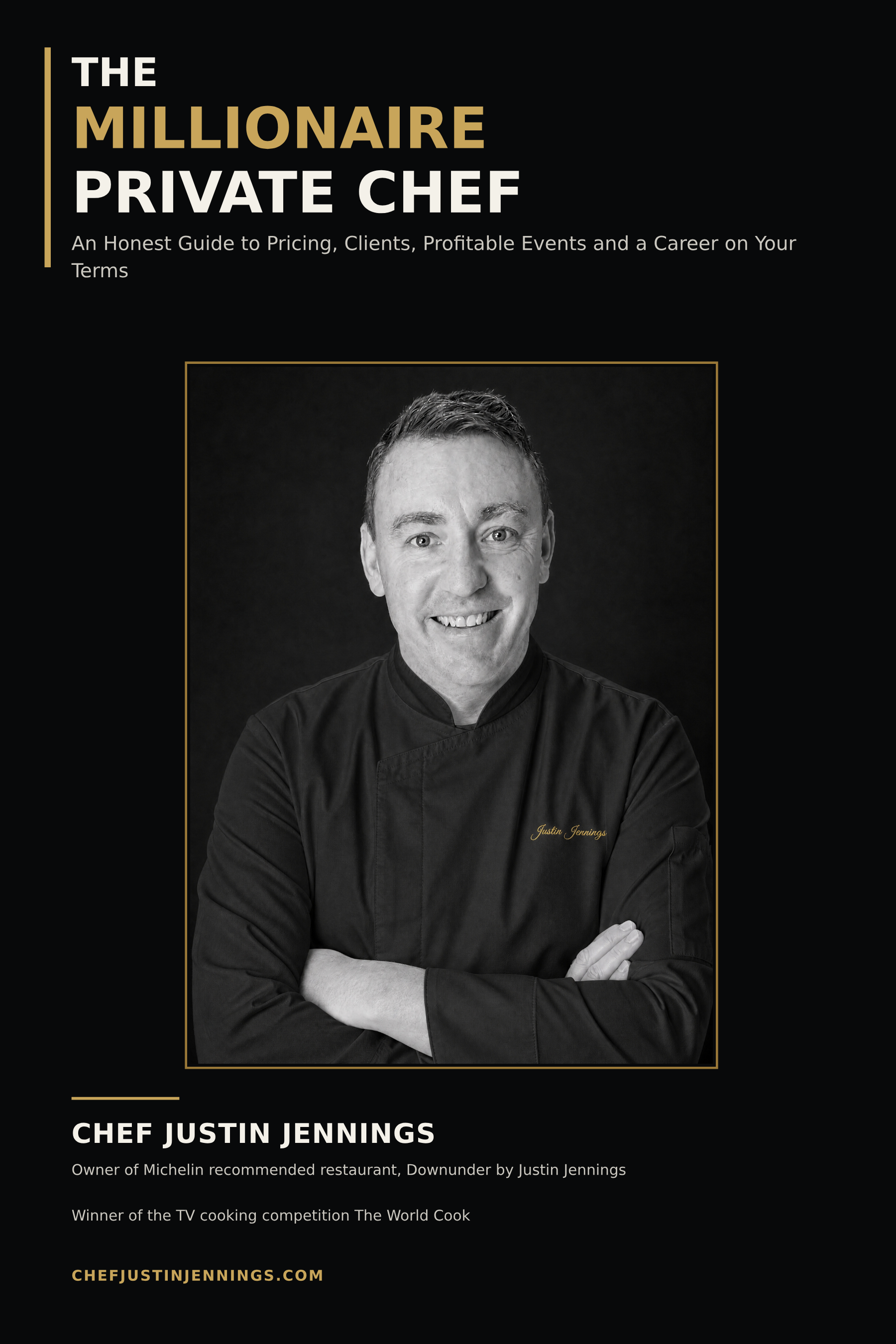
Every chef I know has had the moment. Standing at the pass at 11 PM on a Saturday, feet screaming, back aching, knowing you'll be back at 9 AM tomorrow to prep for Sunday service. Looking at the owner who just left in his Range Rover while you're taking the last train home. Wondering if this is it. If this is all there is.
The worst advice I ever got: "If you want to leave restaurants, you need to leave food."
Bull. You spent years learning to cook. You're good at it. You love it. The problem isn't food - it's the restaurant industry's broken business model that treats chefs like expendable cogs.
After 20+ years in kitchens - Hong Kong, Melbourne, Lisbon, MICHELIN restaurants, TV competitions, the whole journey - I can tell you this: there are at least ten ways to make a living from food without the 80-hour weeks, toxic culture, and poverty wages.
I've done or tried all of them. Here's what actually works.
1. Private Chef
Earnings: €50,000-€120,000+ per year
Lifestyle: Flexible schedule, creative freedom, direct client relationships
How to start: Weekend side hustle while employed, transition when bookings are consistent
This is the path I took, and it's the most direct replacement for restaurant work. You cook the same food, use the same skills, but serve individual clients instead of the masses. The difference? You set your rates, choose your clients, and control your schedule.
I went from €3,200/month working 60 hours a week in a restaurant to €8,000-€12,000/month working 40 hours a week as a private chef. Same knife skills. Same recipes. Better life.
What you actually do: Cook for dinner parties, weekly meal prep for families, special events (birthdays, anniversaries, proposals), corporate functions, villa rentals, yacht charters. Some clients book you once. Others become regulars who want you every Friday night.
The reality: It's not all glamorous. You carry your own equipment, shop for every event, deal with difficult clients occasionally, and handle your own admin (invoicing, scheduling, marketing). But you're paid properly, treated with respect, and you go home when the job is done - not when the last table leaves.
Who it's for: Chefs who want to keep cooking but escape the restaurant hierarchy and fixed schedule. You need decent social skills (you interact with clients face-to-face) and the confidence to charge premium rates.
Ready to make this your full-time career?
My book covers everything: finding clients, pricing strategies, legal setup, operations, and scaling to six figures. Real tactics from 10+ years of private chef work.
2. Food Consulting
Earnings: €40,000-€100,000+ per year
Lifestyle: Flexible, project-based, mentally stimulating
How to start: Build reputation, network with restaurant owners, offer menu audits
You know how restaurants work. You know what's broken. People will pay you to fix it.
Food consultants help new restaurants launch (menu development, kitchen setup, staff training), fix failing restaurants (operations overhaul, cost control, menu re-engineering), and advise food brands on product development.
What you actually do: Menu creation and costing, kitchen workflow optimization, staff training programs, recipe standardization, supplier negotiations, food cost analysis, concept development for new restaurants.
The reality: It's more business than cooking. You spend time analyzing spreadsheets, training staff, writing SOPs, and solving operational problems. Some projects let you cook (recipe development, tasting sessions), but most of your work is strategic, not hands-on.
Who it's for: Senior chefs with strong business acumen and communication skills. You need credibility (MICHELIN experience, successful restaurant track record, or recognized culinary credentials) to charge consulting rates.
3. Recipe Development
Earnings: €30,000-€80,000 per year (freelance) or €40,000-€65,000 (employed)
Lifestyle: Remote-friendly, creative, deadline-driven
How to start: Publish recipes online, pitch to food publications, build portfolio
Food brands, magazines, cookbooks, meal kit companies, and food apps all need recipes. Professional recipe development is about creating dishes that work consistently, taste good, and photograph well.
What you actually do: Develop recipes to a client's brief (e.g., "20-minute vegetarian dinners under €5 per serving"), test recipes multiple times to ensure replicability, write detailed instructions for home cooks, cost recipes, style and photograph dishes (or work with photographers).
The reality: You cook the same dish 8-15 times to perfect the recipe. You write a lot. You need to think like a home cook, not a restaurant chef (no specialty equipment, common ingredients, clear instructions). Deadlines are tight. But you can do it from home, set your schedule, and work in pajamas if you want.
Who it's for: Detail-oriented chefs who enjoy the iterative process and can translate their skills into written instructions. Good for chefs who want remote work and creative variety.
4. Culinary Instructor / Cooking Teacher
Earnings: €35,000-€60,000 per year (employed) or €25,000-€70,000 (independent)
Lifestyle: Structured schedule, rewarding, social
How to start: Teach at culinary schools, community centers, or host private classes
If you enjoy mentoring young cooks in restaurants, you'll enjoy teaching. Culinary instructors work at cooking schools, community colleges, adult education centers, or run independent cooking classes.
What you actually do: Teach knife skills, cooking techniques, cuisine styles, food safety, and kitchen management. Employed instructors follow a curriculum; independent teachers create their own classes (pasta-making, bread baking, knife skills, regional cuisines).
The reality: Teaching requires patience and communication skills - not all chefs have them. You repeat the same lessons frequently. But you get weekends off, holidays, predictable hours, and the satisfaction of watching students improve. Independent classes can be lucrative if you build a following.
Who it's for: Chefs who enjoy teaching and have the patience to work with beginners. Good for those who want routine, stability, and the chance to shape the next generation of cooks.
5. Food Media (Writing, Video, Podcasting)
Earnings: €0-€150,000+ per year (highly variable)
Lifestyle: Creative, remote-friendly, building-phase grind initially
How to start: Start a blog, YouTube channel, TikTok, or podcast consistently
Food media is how you turn your knowledge and personality into content. Food bloggers, YouTubers, TikTokers, and podcasters earn through ads, sponsorships, affiliate links, cookbooks, and digital products.
What you actually do: Create food content - recipes, cooking tutorials, restaurant reviews, culinary storytelling, behind-the-scenes kitchen stories. Film, edit, write, and publish consistently. Build an audience. Partner with brands for sponsored content.
The reality: It takes 1-3 years to earn meaningful income. You're building a business from scratch. Most food creators work another job initially. But once you have momentum, it's lucrative and location-independent. Some food YouTubers make more than MICHELIN-starred head chefs.
Who it's for: Chefs comfortable on camera (or comfortable writing) who can commit to consistent content creation. Good for those who want creative control and are willing to grind for 1-2 years before seeing income.
6. Product Development Chef
Earnings: €40,000-€75,000 per year
Lifestyle: 9-5 schedule, corporate environment, benefits
How to start: Apply to food manufacturing companies, grocery chains, meal kit companies
Food brands need chefs to develop new products - frozen meals, sauces, ready-to-eat items, meal kits, restaurant menu items for chains. These are corporate jobs, but they pay well and have normal hours.
What you actually do: Create recipes that can be mass-produced, work with food scientists to scale recipes for factory production, conduct taste tests, ensure products meet nutritional and cost targets, develop seasonal or limited-edition items.
The reality: It's less creative than restaurant work - you're constrained by cost, shelf life, and production capabilities. But you get health insurance, paid holidays, pension contributions, and you're home by 6 PM. It's a solid, stable career for chefs who want corporate structure.
Who it's for: Chefs who value stability and work-life balance over creative freedom. Good for those who are burnt out on restaurant chaos and want predictable schedules.
7. Test Kitchen Chef
Earnings: €35,000-€65,000 per year
Lifestyle: Office hours, collaborative, detail-focused
How to start: Apply to media companies, cookware brands, appliance manufacturers
Test kitchens exist at food magazines (Bon Appétit, Serious Eats), cookware brands (Le Creuset, Instant Pot), and appliance companies. You test recipes, equipment, and techniques, then report findings.
What you actually do: Cook the same recipe multiple times using different methods or equipment, document results, troubleshoot recipe failures, write testing notes, collaborate with editors and food scientists.
The reality: It's repetitive. You might roast 30 chickens in a week to test oven temperature accuracy. But it's a day job with weekends off, and you're constantly learning about food science and technique. Great for analytical chefs.
Who it's for: Detail-obsessed chefs who love the "why" behind cooking. Good for those who enjoy experimentation and documentation more than service and volume.
8. Yacht / Private Jet Chef
Earnings: €40,000-€100,000+ per year (accommodation included)
Lifestyle: Travel-heavy, isolated, intense but rewarding
How to start: Get STCW certification (for yachts), apply through crew agencies
Ultra-high-net-worth individuals hire chefs for their yachts and private jets. You cook for small groups (2-12 guests), travel the world, and live on board. It's demanding but pays extremely well.
What you actually do: Plan menus based on guest preferences, shop in various ports or countries, cook in compact galleys with limited equipment, adapt to last-minute requests, maintain immaculate food safety standards.
The reality: You're on call 24/7 when guests are aboard. Space is limited. You work alone or with one other chef. It's isolating - you're away from family and friends for months. But accommodation, meals, and travel are covered. Many yacht chefs work 6-8 months a year and travel the other 4-6 months on their savings.
Who it's for: Adventurous chefs who want to see the world and don't mind isolation. Good for young chefs without family commitments or experienced chefs seeking a lifestyle reset.
9. Food Photography & Styling
Earnings: €25,000-€80,000+ per year (freelance)
Lifestyle: Creative, project-based, portfolio-building phase required
How to start: Learn photography, build portfolio, network with food brands
Restaurants, food brands, cookbooks, and magazines all need high-quality food photos. If you can cook and shoot, you're in demand. Food stylists make dishes look perfect for the camera.
What you actually do: Cook dishes for photo shoots, style them to look appealing (tweezers, brushes, strategic lighting), photograph them, edit images, collaborate with art directors and brands.
The reality: You need to learn photography or partner with a photographer. Initial investment in camera equipment (€2,000-€5,000). Building a portfolio takes time. But once established, it's creative, flexible, and profitable. Many food photographers work 3-4 days a week and earn more than restaurant head chefs.
Who it's for: Artistic chefs with an eye for composition and aesthetics. Good for those who enjoy the creative side of food but want less physical strain than restaurant cooking.
10. Catering Business Owner
Earnings: €40,000-€150,000+ per year (depends on scale)
Lifestyle: Event-driven, stressful peaks, lucrative potential
How to start: Start small (friends, local events), scale with equipment and staff
Catering is like running a restaurant without the restaurant. You cook for events - weddings, corporate functions, private parties - and get paid upfront. High margins, no rent, but logistically intense.
What you actually do: Consult with clients on menus, cook large volumes of food, transport everything to event venues, set up, serve, and clean up. You handle logistics: equipment rental, staffing, transport, timing.
The reality: It's physically demanding and logistically complex. You're constantly problem-solving (ovens break, staff no-shows, last-minute guest count changes). But margins are excellent - 50-60% gross profit is achievable. Many catering companies turn into six-figure businesses within 3-5 years.
Who it's for: Entrepreneurial chefs who want to build a scalable business. Good for those who enjoy operations, logistics, and managing people as much as cooking.
Which Path Is Right for You?
The honest answer? Try a few.
I started with private chef work on weekends while still working in restaurants. Once I had consistent bookings, I transitioned full-time. Then I added consulting projects, wrote a cookbook, launched online cooking classes, and built a media presence.
Most chefs who successfully leave restaurants don't pick one path - they combine 2-3 income streams. Private chef work + recipe development. Consulting + teaching. Media + products.
The key is starting before you quit. Test the waters. Build a client base or portfolio. Prove to yourself it works. Then make the leap.
The Biggest Lie Chefs Tell Themselves
"I'll leave when I have more experience."
"I'll leave when I'm ready."
"I'll leave when the timing is better."
There's never a perfect time. You'll never feel fully ready. The restaurant industry is designed to make you believe you need it - that the prestige, the training, the "real cooking" only happens in restaurants.
It's not true. Some of the best food I've ever made has been for a family of four in their home. Some of my most creative work has been developing recipes for a food brand. Some of my most fulfilling moments have been teaching a home cook to properly sharpen a knife.
You don't need the restaurant. The restaurant needs you.
Ready to take the first step?
My book gives you the exact roadmap I wish I had when I left restaurants. Client acquisition, pricing, operations, legal setup, scaling strategies, and real numbers from 10+ years of private chef work.
Start This Week
Don't wait. Pick one path from this list. Do one small thing this week:
- Private chef: Post on Facebook that you're available for private dinners
- Consulting: Reach out to one restaurant owner and offer a free menu audit
- Recipe development: Develop three recipes and pitch them to a food blog
- Teaching: Offer a free cooking class to friends and ask for testimonials
- Media: Post your first cooking video on TikTok or Instagram
You don't need permission. You don't need credentials beyond the ones you've already earned in the kitchen. You just need to start.
The restaurant grind isn't the only way to make a living from food. It's just the default. Choose something better.
Frequently Asked Questions
What is the highest paying alternative chef career?
Private chef for high-net-worth individuals is the highest-paying alternative, earning €80,000-€150,000+ annually for exclusive clients. Food consulting for restaurant groups can reach €100,000+ with the right contracts. Yacht and private jet chefs earn €60,000-€120,000 with accommodation included.
What is the easiest transition from restaurant chef?
Private chef work is the easiest transition because you use the same cooking skills but serve individual clients instead of restaurant volume. You can start as a weekend side hustle while keeping your restaurant job, then transition full-time once you have consistent bookings. No retraining required.
Do you need to retrain to leave restaurant work?
Most alternative chef careers don't require formal retraining. Your existing culinary skills transfer directly to private chef work, catering, meal prep, and cooking instruction. Food media, recipe development, and consulting benefit from taking short courses in writing, photography, or business, but aren't mandatory.
Can you go back to restaurants after leaving?
Yes, you can return to restaurant work if you want to. Many chefs move between restaurants and private work throughout their careers. However, most chefs who leave restaurants say they would never go back due to better pay, work-life balance, and creative freedom in alternative paths.
Which alternative chef career has the best work-life balance?
Recipe development and food media offer the best work-life balance because you control your schedule and can work remotely. Private chef work comes next with flexible scheduling and no weekend requirements if you choose. Culinary instruction (teaching) offers regular hours and holidays off.
Are there remote chef jobs?
Yes. Recipe development, food writing, virtual cooking classes, and food consulting can all be done remotely. You can create recipes, write content, teach online classes, and advise restaurant clients from anywhere with internet. Some chefs combine remote work with occasional on-site private chef events.
What are corporate chef roles?
Corporate chef roles include working for food brands (developing products), test kitchen chefs (recipe testing), culinary directors for restaurant groups, and food safety consultants. Typically 9-5 schedules, good benefits, €40,000-€70,000 salaries. Less creative freedom but much better work-life balance than restaurants.
What skills transfer from restaurant to food industry careers?
Almost everything transfers: knife skills, cooking techniques, recipe development, menu planning, food costing, ingredient sourcing, kitchen management, food safety knowledge, plating/presentation, flavor pairing, dietary accommodations, and working under pressure. Your restaurant experience is valuable in every food-related career.
Related Articles
Career Guide
How to Start a Private Chef Business in 2026
Complete guide to launching your private chef career, from first client to six-figure business.
Career
Restaurant Chef Burnout: The Reality No One Talks About
The hidden cost of restaurant work and why 80% of chefs report burnout.
Income Guide
Private Chef Salary 2026: How Much Can You Really Make?
Real income breakdown from restaurant vs private chef work, with numbers from my business.
Career
The Real Cost of Working in Restaurants
Time, health, money, relationships - calculating the true cost of restaurant life.
Want to Leave Restaurants for Good?
My book shows you exactly how to transition from restaurant chef to private chef. Real strategies, pricing models, client acquisition tactics, and the mindset shifts that made it possible.
Buy on Amazon