MICHELIN Guide Selected
Behind the Scenes: Creating a MICHELIN Menu
2 July 2026 · 14 min read
Want to cook like a MICHELIN-selected chef at home? Get 100+ restaurant-quality recipes in UNCHOPPED including signature dishes from our award-winning tasting menu.
Get UNCHOPPED →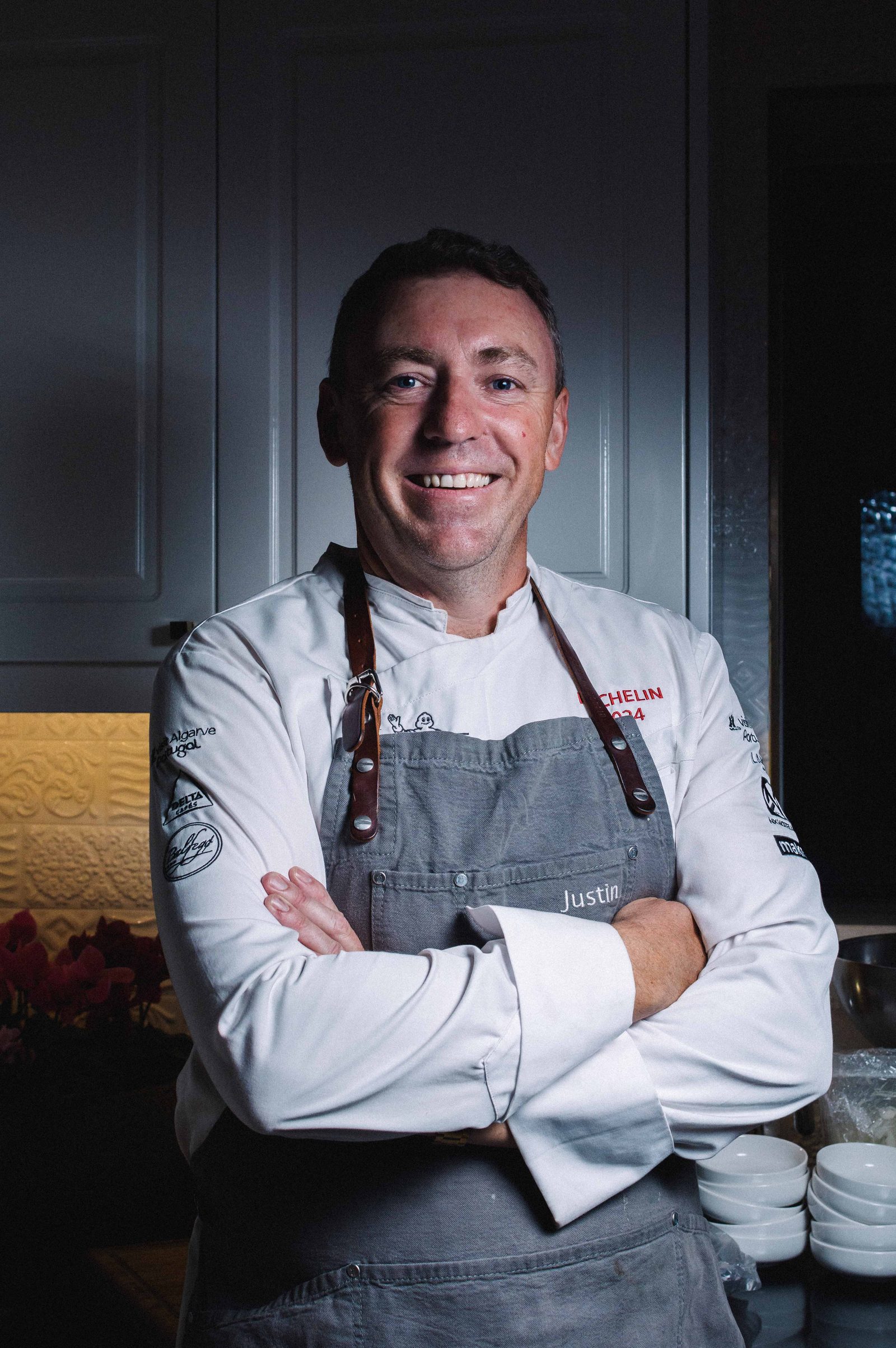
When the MICHELIN Guide selected Downunder in 2024 and again in 2025 and 2026 it wasn't luck. It was the result of obsessive menu development, relentless refinement, and a clear understanding of what inspectors (and guests) are actually looking for.
Creating a MICHELIN-level menu isn't about fancy ingredients or molecular gastronomy. It's about technique, balance, story, and consistency. After 20+ years in professional kitchens and three years of MICHELIN recognition, I've learned what works and what doesn't.
This is how we build our tasting menus at Downunder, from concept to plate. No secrets held back.
What MICHELIN Inspectors Actually Look For
Let's start with the truth: MICHELIN inspectors are looking for five things, and only five things.
- Quality of ingredients: Are you using the best available produce, proteins, and pantry items? Can they taste the difference?
- Mastery of technique: Do you know how to cook properly? Can you execute classic techniques flawlessly while showing creativity?
- Harmony of flavors: Does each dish make sense? Is there balance acid, fat, salt, sweetness, bitterness or is it a jumbled mess?
- Personality of the chef: Is there a point of view? Can they taste *you* in the food, or does it feel generic?
- Consistency: Can you do this every service, or was tonight a lucky fluke?
That's it. They're not judging your tablecloths or your social media presence. They're judging the food, the technique, and whether you can deliver it consistently at a high level.
Understanding this changed how I approached menu development. Every dish we create has to pass the five-point test. If it doesn't, it doesn't make the menu no matter how much I like it personally.
My Menu Development Process: From Concept to Plate
Menu creation isn't linear. It's iterative, messy, and sometimes frustrating. But over the years, I've developed a process that works.
Step 1: Concept & Story
Every menu needs a narrative. At Downunder, our story is Australian and Asian fusion through a European lens reflecting my training in Australia, years cooking in Hong Kong, and life in Lisbon. That's not marketing speak; it's who I am and how I cook.
When I'm building a new menu or seasonal update, I start by asking:
- What season is it, and what ingredients are at their peak right now?
- What story am I telling with this menu? (Celebration of summer, comfort in winter, etc.)
- What techniques do I want to showcase?
- What emotions do I want guests to feel? (Nostalgia, surprise, comfort, excitement)
Once I have the concept, I sketch out a rough progression: light to heavy, cold to hot, delicate to bold. A good tasting menu builds momentum you don't hit guests with the richest dish first.
Step 2: Ingredient Sourcing
MICHELIN-level cooking demands MICHELIN-level ingredients. You can't make a great dish from mediocre produce, no matter how skilled you are.
For Downunder, we source:
- Local first: Portuguese seafood (Atlantic fish, octopus, prawns), seasonal vegetables from regional farms, Alentejo pork, Azorean beef
- Specialty imports: Australian ingredients (kangaroo, native pepperberry, macadamia) via specialty importers expensive but essential for authenticity
- Relationships matter: I work with the same suppliers year-round. They call me when something exceptional arrives (e.g., wild sea bass, first white asparagus of the season)
When planning a dish, I start with the ingredient, not the technique. Great cooking is about enhancing what's already excellent, not compensating for what's not.
Step 3: Testing & Refinement
This is where most chefs fail. They create a dish, cook it once or twice, like it, and put it on the menu. Then it falls apart under service pressure or doesn't resonate with guests.
I cook every new dish a minimum of 5 times before it touches a guest plate. Sometimes 10-15 times if it's complex or I'm not satisfied.
Each test focuses on something specific:
- Test 1-2: Does the core concept work? Are the flavors balanced?
- Test 3-4: Can I execute this consistently? How long does it take? What can be prepped ahead?
- Test 5-6: Plating and presentation. Does it look as good as it tastes?
- Test 7+: Team feedback, guest feedback (soft launch on friends or regulars), final adjustments
Some dishes come together quickly. Others take weeks. And some never make it I've scrapped dishes after 10+ tests because they just weren't good enough. That's fine. Better to kill it in the kitchen than serve something mediocre.
Example: Our 36-hour pork belly (signature dish) took three months to perfect. The pork itself slow-cooked, tender, with crispy skin was nailed in week one. But the accompaniments (apple purée, star anise jus, pickled fennel) went through 15+ iterations before the balance was right. Now it's one of our most requested dishes and appears in the UNCHOPPED cookbook.
Tasting Menu Structure: Pacing & Progression
A tasting menu is a journey. If you structure it poorly, guests get bored, overwhelmed, or leave unsatisfied. Get it right, and they remember it for years.
At Downunder, we offer two tasting menus:
- 5-course menu (€70): Accessible, approachable, showcases technique without overwhelming
- 7-course menu (€85): More storytelling, more complexity, deeper dive into our culinary identity
Here's how we structure the 7-course progression:
7-Course Tasting Menu Structure
- 1. Amuse-bouche (not counted in courses): One-bite surprise, sets the tone. Light, intriguing, awakens the palate.
- 2. First course (cold, light, bright): Often seafood. Fresh, acidic, delicate. Example: Salmon ceviche with wasabi peas & ginger espuma.
- 3. Second course (warm, richer): Transition course. Still delicate but introducing warmth. Example: Seared scallops with cauliflower purée & native pepperberry oil.
- 4. Third course (showcase technique): This is where we flex. Complex technique, bold flavors. Example: Kangaroo tartare with macadamia, quail egg, bush tomato.
- 5. Fourth course (the star, protein-forward): Showstopper. Usually red meat or rich fish. Example: 36-hour pork belly with apple, star anise jus, crispy crackling.
- 6. Pre-dessert (palate cleanser): Light, refreshing, resets for dessert. Example: Yuzu sorbet with lychee & mint.
- 7. Dessert (satisfying finish): Sweet but not overwhelming. Nostalgic or playful. Example: Pavlova reimagined meringue, passionfruit, native berries.
Notice the arc: light → warm → bold → rich → cleanse → sweet. Each dish builds on the previous one, but there's contrast at every step. You're never eating the same flavor profile twice in a row.
This structure took years to refine. Early menus were too heavy (guests felt sluggish by course 5), or too light (they left hungry), or lacked contrast (everything tasted similar). Now, the progression is deliberate and tested and it works.
Every signature dish from our MICHELIN-selected tasting menu plus 100+ more recipes is in UNCHOPPED. Restaurant techniques, adapted for home kitchens. No impossible ingredients, no specialty equipment.
Get the Full Cookbook →Seasonal Menu Changes: When & Why
We update our tasting menu every 3 months spring, summer, autumn, winter. Not because we have to, but because seasonality matters.
Cooking with ingredients at their peak means better flavor, lower cost, and storytelling that resonates. Serving asparagus in November feels wrong; serving it in April feels exciting.
That said, we don't change everything. Our signature dishes 36-hour pork belly, kangaroo tartare, pavlova reimagined stay year-round. These define Downunder's identity, and regular guests expect them.
The seasonal vs. signature balance is crucial:
- 60% seasonal: Dishes that rotate with ingredient availability (e.g., summer heirloom tomatoes, autumn wild mushrooms)
- 40% signature: The dishes people travel for, the ones that appear in reviews and Instagram posts
If everything changes, you lose brand recognition. If nothing changes, the menu feels stale. The 60/40 split keeps things fresh while maintaining identity.
How I Plan Seasonal Updates
Two weeks before the season changes, I start planning. I talk to suppliers, visit the market, check what's coming into season. I sketch out ideas, test a few dishes, and gradually phase new items onto the menu.
We don't flip the entire menu overnight. That's chaos in the kitchen and confusing for guests. Instead, we introduce 2-3 new dishes per month over the transition period, testing and refining until the full seasonal menu is live.
Signature Dishes That Stay (And Why)
Some dishes earn permanent status. They're the ones that define your restaurant, the ones guests request by name, the ones that would cause riots if you removed them.
At Downunder, our signatures are:
1. 36-Hour Pork Belly
Slow-cooked Alentejo pork belly, crispy crackling, apple purée, star anise jus, pickled fennel. This dish represents everything we do: European technique (slow cooking), Asian flavors (star anise), local Portuguese ingredients (Alentejo pork), and perfectionism (36 hours of cooking for melt-in-your-mouth texture and glass-crisp skin).
It's been on the menu since day one. It's in UNCHOPPED. It's the dish MICHELIN inspectors mentioned in feedback. It stays.
2. Kangaroo Tartare
Raw kangaroo loin, macadamia cream, quail egg yolk, native pepperberry, bush tomato, crispy shallots. Unapologetically Australian, impossible to find anywhere else in Lisbon, and a conversation starter every time.
This dish polarizes people some guests are hesitant (kangaroo?!), others order it immediately. But once they taste it, they're converted. The meat is lean, rich, slightly gamey, perfectly suited to tartare. The native Australian ingredients (pepperberry, bush tomato) add complexity you can't replicate with European spices.
It's technically simple but ingredient-driven exactly what MICHELIN cooking should be.
3. Pavlova Reimagined
Meringue, passionfruit, yuzu, lychee, native Australian berries. A dessert that ties everything together: Australian roots (pavlova), Asian influence (yuzu, lychee), European technique (French meringue method), and playful creativity (it's pavlova, but not how you remember it).
Dessert is where you can take risks. Guests are relaxed, happy, forgiving. This dish is fun, nostalgic, and Instagram-worthy three things every signature dessert should be.
Experimental Dishes That Failed (And What I Learned)
Not every dish makes the menu. Some fail spectacularly. Here are three that didn't work and why.
Failed Dish #1: Fermented Black Garlic & Miso Beef
The idea: Wagyu beef, fermented black garlic purée, white miso glaze, umami explosion.
What went wrong: Too much umami. Every element was rich, savory, intense. There was no contrast, no relief. After three bites, guests' palates were exhausted. I loved the flavors individually, but together they were overwhelming.
The lesson: Balance isn't just salt-acid-fat-sweet. It's also intensity. Every dish needs a moment of lightness a bright garnish, a crisp texture, something to cut through the richness.
Failed Dish #2: Deconstructed Bacalhau à Brás
The idea: Take Portugal's most iconic dish (salt cod, eggs, potatoes, olives) and present it in a modern, fine-dining way.
What went wrong: It felt gimmicky. Deconstructing a beloved classic didn't add anything it just confused people. The traditional version is perfect as-is. My "modern" version was technically impressive but emotionally hollow.
The lesson: Don't deconstruct for the sake of it. Innovation should enhance the dish, not just show off. If the original is already great, leave it alone or find a different way to honor it (e.g., perfect execution of the classic rather than reinvention).
Failed Dish #3: Vegemite Caramel Dessert
The idea: Vegemite caramel (salty, umami, nostalgic for Australians), vanilla ice cream, macadamia crumble. A playful nod to my roots.
What went wrong: Vegemite is divisive. Australians loved it. Everyone else hated it. The flavor is so specific, so polarizing, that it alienated half the room. In a restaurant setting, you can't afford dishes that only work for 20% of diners.
The lesson: Personal nostalgia doesn't always translate to universal appeal. Save the weird, niche stuff for private chef events where you know your audience. On a restaurant tasting menu, aim for 80%+ approval rate. If a dish consistently divides the room, it's not ready or not right for this context.
Pricing a MICHELIN Menu (And Staying Profitable)
Let's talk money. MICHELIN-level cooking is expensive. Premium ingredients, high labor costs, meticulous execution it all adds up.
Our tasting menus are priced at:
- 5-course: €70 per person
- 7-course: €85 per person
- Wine pairing: €45 (5-course) / €55 (7-course)
These prices position us as accessible fine dining expensive enough to signal quality, affordable enough for special occasions rather than once-a-year splurges.
Food cost for our tasting menus runs 28-32%, which is higher than casual dining (25-28%) but necessary for quality. You can't serve Australian kangaroo, Portuguese seafood, and seasonal produce at commodity pricing.
Where we make profitability work:
- Wine pairings: High margin (60-70%), and 65% of guests order them
- Volume: We aim for 70-80% table occupancy, 2 seatings per night on weekends
- Waste reduction: Precise portioning, whole-animal butchery, using every part of the fish
- Supplier relationships: Consistent orders = better pricing and first access to exceptional ingredients
- Reputation: MICHELIN selection means we can charge appropriately without justification the guide does that for us
The biggest mistake I see chefs make is undercharging. They're afraid to price at MICHELIN level because they don't feel "worthy" yet. But if you deliver MICHELIN-quality food, technique, and experience, you should charge accordingly. Underpricing signals mediocrity, not value.
Want to cook at this level or start your own private chef business? My book The Millionaire Private Chef covers menu development, pricing, client acquisition, and the business fundamentals I wish I'd known earlier.
Buy on AmazonThe Recipes I'm Most Proud Of
After 20+ years of cooking and hundreds of dishes created, a few stand out not because they're the most complex, but because they represent something meaningful.
1. Salmon Ceviche with Wasabi Peas & Ginger Espuma
This dish appears in UNCHOPPED and on our menu. It's light, bright, technically simple, but perfectly balanced. The ceviche is classic (lime, chili, coriander), but the wasabi peas add crunch and heat, while the ginger espuma (foam) brings aromatic complexity without heaviness.
What I'm proud of: It's a dish anyone can make at home (no specialty equipment, no impossible technique), but it feels special. That's the sweet spot accessible excellence.
2. 36-Hour Pork Belly
I've mentioned this already, but it deserves deeper recognition. This dish taught me patience. For years, I tried to rush pork belly faster cooking, shortcuts, hacks. It was always good, never great.
When I finally committed to the full 36-hour low-temperature cook, everything changed. The texture, the flavor, the way the fat renders while the meat stays tender it's perfect. No shortcut gets you there.
This dish is in UNCHOPPED with full instructions. It's not hard, just slow. And it's worth every minute.
3. Coconut Curry Mud Crab
A dish from my Hong Kong years, adapted for Downunder. Fresh mud crab, coconut curry sauce (lemongrass, galangal, kaffir lime, chili), jasmine rice, Thai basil. It's messy, hands-on, interactive the opposite of formal fine dining.
What I'm proud of: It breaks the "stuffy MICHELIN" stereotype. You eat this with your hands. You crack shells, get sauce on your fingers, laugh with your dining companions. It's joyful, and that's increasingly rare in fine dining.
What I'd Do Differently If Starting Today
Looking back on three years of MICHELIN selection and 20+ years in kitchens, here's what I'd change:
1. Start with fewer dishes, perfect them obsessively
Early on, I tried to offer variety too many options, too much complexity. Better to have 5 perfect dishes than 12 inconsistent ones. Master the fundamentals, then expand.
2. Document everything from day one
I didn't write down recipes, techniques, or plating notes for the first two years. I thought I'd remember. I didn't. Now I document obsessively (which made writing UNCHOPPED much easier). Your memory is not reliable. Write it down.
3. Test dishes on real guests earlier
I used to test dishes endlessly in private before putting them on the menu. That's good for technique but bad for feedback. Real guests tell you what works. Soft-launch new dishes on friends, regulars, or special tasting nights. Adjust based on real reactions, not your own assumptions.
4. Embrace simplicity sooner
Young chefs (including past-me) overcomplicate everything. Too many components, too many techniques, too much garnish. The best dishes are often the simplest: perfect ingredient + perfect technique + one or two complementary elements. That's it.
Simplicity is confidence. Complexity is often insecurity.
Final Thoughts: Menu Development Is Never "Done"
Even after three years of MICHELIN selection, I'm still refining. A dish that worked last season might feel slightly off this season. A technique I mastered last year has a new variation I want to try. Guest feedback shifts. Ingredient availability changes. You adapt.
The menu is a living document. It evolves with you, with the seasons, with the times. The moment you think it's "done" is the moment you stop improving.
That's the difference between good restaurants and great ones. Great ones never settle. They keep pushing, tasting, refining, questioning. That's what MICHELIN inspectors are looking for not perfection (which doesn't exist), but relentless pursuit of it.
If you want to cook at this level whether in your own restaurant, as a private chef, or just for yourself at home the principles are the same: quality ingredients, mastered technique, balanced flavors, clear point of view, and consistency.
Do that, and the recognition follows. MICHELIN or not, you'll know you're doing it right.
Cook Like a MICHELIN Chef at Home
Every signature dish from our MICHELIN-selected tasting menu plus 100+ more restaurant-quality recipes is in UNCHOPPED. Learn the techniques, master the flavors, and create unforgettable meals in your own kitchen.
Get UNCHOPPED → Start Your Private Chef Business →Frequently Asked Questions
How often do MICHELIN menus change?
Most MICHELIN-level restaurants change their menus seasonally (4 times per year), with some signature dishes remaining constant throughout. At Downunder, we update our tasting menu every 3 months to showcase the best seasonal ingredients while keeping 2-3 signature dishes that define our identity. Some fine dining establishments change menus monthly or even weekly, but that's rare at our level. The key is balancing innovation with consistency inspectors and regular guests both want to see evolution without losing what makes your restaurant special.
How many dishes should be on a MICHELIN tasting menu?
MICHELIN tasting menus typically range from 5 to 12+ courses. Our 5-course menu (€70) and 7-course menu (€85) are designed for different dining experiences the 5-course is accessible and approachable, while the 7-course allows more storytelling and technical display. Three-star restaurants often offer 10-15 courses, but at the MICHELIN Guide Selected level, 5-8 courses is the sweet spot for balancing creativity, value, and guest comfort. More courses doesn't mean better it means longer, and not every diner wants a 3-4 hour meal.
Do MICHELIN inspectors visit multiple times?
Yes, MICHELIN inspectors typically visit 2-4 times anonymously before making any selection or star decision. They pay like regular guests, evaluate consistency across visits, and assess every aspect: food quality, technique, service, ambiance, and value. Being selected for the MICHELIN Guide (like Downunder in 2024, 2025, and 2026) means you've met their standards consistently. Star awards require even more rigor. The key lesson: one great meal isn't enough. You need to deliver excellence every single service.
Can you reuse recipes across restaurants or private chef events?
Absolutely. Your best recipes should work across contexts I've adapted signature dishes from Downunder for private chef events and vice versa. The presentation might change (restaurant plating vs. home setting), but the core technique and flavors translate. Many of my restaurant's most popular dishes started as private chef experiments, and several recipes from my UNCHOPPED cookbook appear on our tasting menu. Good food is good food, regardless of where it's served. Just adapt the execution to the environment.
How do you develop a new menu dish?
Menu development starts with concept: What story am I telling? What season is it? What ingredients are at their peak? Then comes testing I cook the dish 5-10 times, adjusting technique, balance, and plating each time. I taste obsessively, get feedback from the team and trusted guests, and refine until it's perfect. Some dishes take weeks to finalize; others come together in days. The key is knowing when to push through refinement and when to scrap something that isn't working. Not every idea makes the menu, and that's okay.
What's the difference between seasonal and signature dishes on a MICHELIN menu?
Signature dishes are the ones your restaurant is known for they stay on the menu year-round because they define your identity and guests expect them. At Downunder, our 36-hour pork belly and kangaroo tartare are signatures. Seasonal dishes rotate based on ingredient availability and highlight what's best right now heirloom tomatoes in summer, wild mushrooms in autumn. The balance is crucial: too many signatures and the menu feels stale; too many seasonal dishes and you lose brand recognition. Aim for 60% seasonal, 40% signature.
How do you cost a MICHELIN menu and maintain profitability?
Recipe costing at MICHELIN level is challenging because you're using premium ingredients with lower margins. I aim for 28-32% food cost on tasting menus, which is higher than casual dining (25-28%) but necessary for quality. You make it work by: reducing waste through precise portioning, using whole animals/fish to maximize value, building relationships with suppliers for better pricing, and charging appropriately (€70-€85 for our tasting menus). Profitability comes from volume, wine pairings (€45-€55 with high margins), and reputation that keeps tables full.
What recipes are in the UNCHOPPED cookbook?
UNCHOPPED features 100+ recipes spanning my culinary journey: Australian classics reimagined, Asian fusion dishes from my Hong Kong years, European techniques learned in Lisbon, and signature creations from Downunder restaurant. You'll find competition-winning recipes from The World Cook (Amazon Prime), private chef favorites, and approachable home versions of restaurant dishes. Every recipe is tested for home kitchens no obscure ingredients, no impossible techniques. It's the food I actually cook, adapted so anyone can make it. Available on Amazon and at chefjustinjennings.com.
How do MICHELIN inspectors evaluate menus?
Inspectors assess five criteria: quality of ingredients, mastery of technique, harmony of flavors, personality of the chef in the cuisine, and consistency over time. They're looking for technical skill, creativity, balance, and whether the menu delivers on its promise. A MICHELIN-level menu should tell a story, showcase seasonal ingredients, demonstrate technique without showing off, and leave guests satisfied but not overwhelmed. They also consider value is the experience worth the price? Our selection in 2024, 2025, and 2026 reflects consistent execution across all these areas.
Can home cooks recreate MICHELIN recipes?
Yes, with the right guidance. Many MICHELIN techniques are accessible if you understand the principles. That's why I wrote UNCHOPPED to demystify restaurant cooking and give home cooks the tools to create exceptional food. Some recipes require patience (36-hour pork belly) or technique (proper knife work), but nothing requires a professional kitchen or specialty equipment. The key is following the method, tasting as you go, and not being intimidated. Start with simpler dishes, build confidence, then tackle the more complex recipes. You'll surprise yourself.
Related Articles
Recipes & Techniques
Australian Fusion Cooking: My Top 10 Signature Dishes
Explore the signature dishes that define Australian-Asian fusion cooking, from kangaroo tartare to pavlova reimagined.
Competition Recipes
Competition-Winning Recipes From The World Cook
Behind-the-scenes look at the dishes that won The World Cook competition on Amazon Prime.
Private Chef Business
Private Chef Menu Design That Books Clients
Learn how to design private chef menus that convert inquiries into bookings and create unforgettable dining experiences.
Complete Startup Guide
How to Start a Private Chef Business in 2026
Step-by-step guide to launching a profitable private chef business: certification, pricing, clients, and real costs.