Career Change
7 Reasons Restaurant Chefs Are Switching to Private Chef Work
April 2026 · 9 min read
Thinking about leaving restaurants? My book walks you through the entire transition from kitchen to private chef career.
Buy on Amazon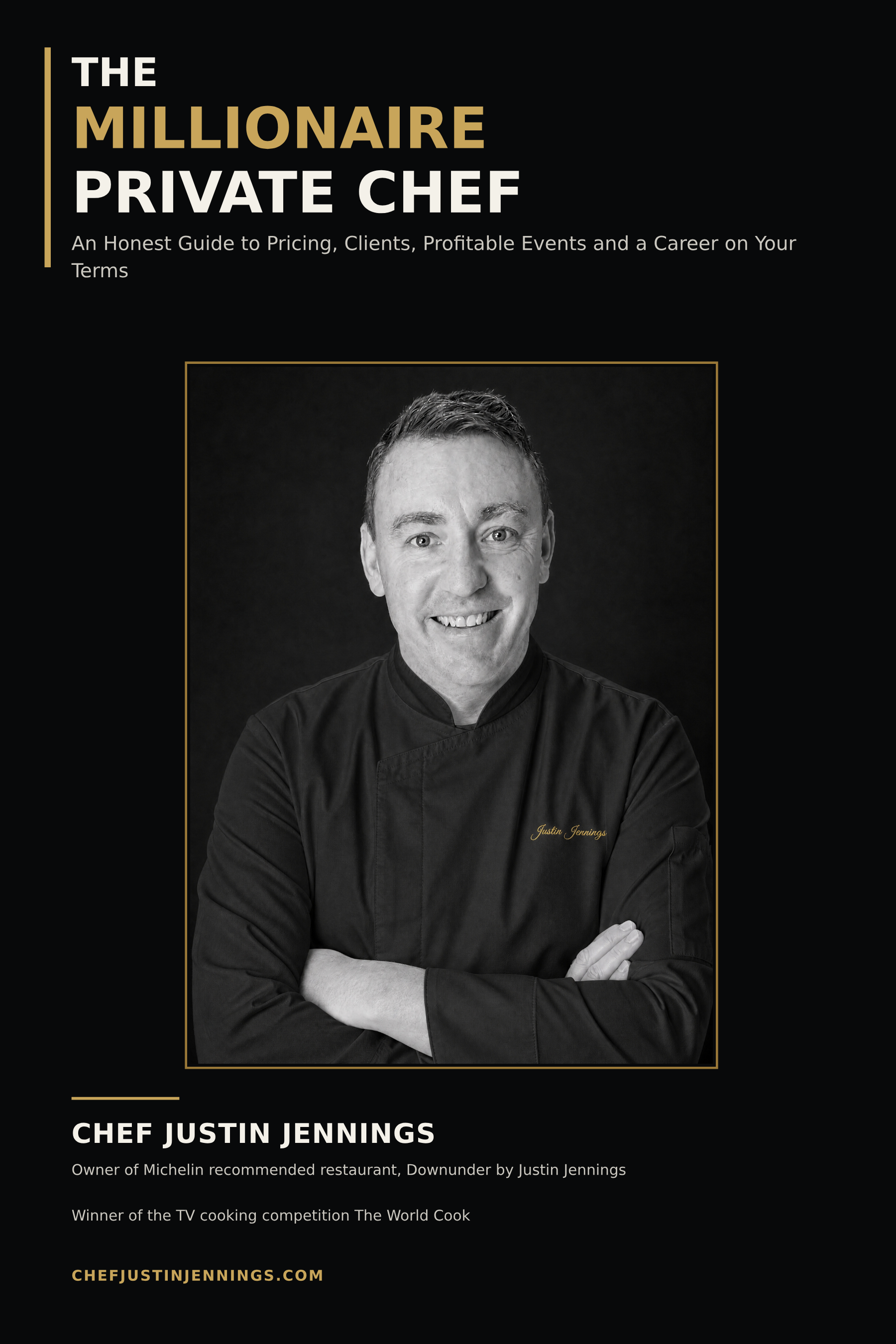
I spent 12 years working in restaurants before I made the switch to private chef work. Looking back, I should have done it five years earlier. The signs were there - the exhaustion, the resentment, the feeling that I was grinding my body down for someone else's dream while barely making rent.
I'm not alone. According to industry data, restaurant turnover sits around 75% annually, and the average chef stays in the industry less than 10 years before burning out completely. But here's what's interesting: many of those chefs aren't leaving food. They're leaving restaurants.
Over the past eight years as a private chef, I've watched dozens of chefs make the same transition I did. Some thrive. Some struggle. But almost none regret leaving. Here's why restaurant chefs are switching to private chef work in record numbers.
1. Work-Life Balance (No More 80-Hour Weeks)
Let's start with the obvious one. Restaurant chefs work brutal hours. I was pulling 55-60 hours a week as a sous chef, but that didn't include the unpaid time - the menu testing on days off, the inventory checks, the staff meetings. Realistically, I was giving 65+ hours to the restaurant.
As a private chef, I work 25-30 hours a week and earn more than I did in restaurants. Here's how the math breaks down:
Restaurant schedule (typical week):
Tuesday-Saturday: 11am-11pm (50 hours)
Sunday: 10am-4pm (6 hours)
Total: 56 hours on the books, 65+ including unpaid work
Private chef schedule (typical week):
Monday: Client consultation + shopping (4 hours)
Wednesday: Prep + event (6 hours)
Friday: Prep + event (6 hours)
Saturday: Prep + two events (10 hours)
Total: 26 hours, all paid
I get Sundays, Tuesdays, and Thursdays completely off. I haven't missed a family birthday in seven years. I actually have hobbies again. That alone would be worth the switch, but the fact that I'm also earning more makes it a no-brainer.
2. Higher Earning Potential Per Hour Worked
Restaurant chefs are underpaid for the hours they put in. I was making €3,200 a month as a sous chef working 55-hour weeks. That's €15/hour - barely above minimum wage in many European cities.
Now I charge €105 per person for private events. A typical 8-person dinner brings in €840. After groceries (€180-220), I'm clearing €620-660 for about 6 hours of work including prep, cooking, and cleanup. That's €100-110 per hour effective rate.
Even accounting for slower weeks and business overhead, I'm earning 4-5x what I made per hour in restaurants. And because I control my schedule, I can scale up or down depending on what I want to earn that month.
The numbers get even better as you build experience and reputation. Private chefs charging €130-150/person and booking 4-5 events per week can clear €100K+ annually working 30-35 hours. No restaurant chef outside of Michelin-starred kitchens is touching that.
Ready to escape the restaurant grind?
My book covers pricing, finding clients, and building a sustainable private chef career from scratch.
3. Creative Freedom (No More Fixed Menus)
This was huge for me. In restaurants, you cook the same dishes night after night. The menu changes seasonally if you're lucky, but day-to-day you're executing someone else's vision - usually the head chef's or owner's.
As a private chef, every event is different. One week I'm doing a seven-course tasting menu with Australian native ingredients. The next week it's a casual BBQ for 20 people. The week after that, it's a vegan dinner party where the client wants to be surprised.
I get to experiment constantly. If a dish doesn't work, I learn from it and adjust for the next event. If something's a hit, I can add it to my repertoire. There's no head chef shooting down ideas or owners worried about food cost percentages.
The creative freedom extends beyond food, too. I choose my clients. I set my own standards. I decide what kind of chef I want to be. That autonomy is worth more than any salary increase.
4. Direct Client Relationships (Appreciation vs Hierarchy)
In restaurants, you're several layers removed from the people eating your food. You cook for faceless customers, filtered through servers who may or may not accurately convey feedback. Recognition comes from the head chef or management - if it comes at all.
As a private chef, you interact directly with the people you're cooking for. You consult on the menu beforehand. You're often in the dining room explaining dishes. You hear their reactions in real time.
That direct relationship changes everything. When someone tells you that was the best meal they've had all year, they're looking you in the eye and meaning it. When they rebook you three months later, you know it's because they genuinely valued your work.
There's no kitchen hierarchy to navigate. No wondering if the compliment actually came from the customer or if the server made it up. No competing with other chefs for recognition. You're a professional providing a service, and your clients treat you accordingly.
I've had clients send thank-you notes, recommend me to their friends, and invite me to family events. That doesn't happen when you're hidden in a restaurant kitchen cooking for hundreds of anonymous diners.
5. Control Your Schedule (Weekends, Holidays, Vacation)
Restaurant chefs work when everyone else is off. Friday and Saturday nights. Holidays. Special occasions. That's when restaurants are busiest, so that's when you're stuck in the kitchen while your friends and family are celebrating without you.
As a private chef, you choose when you work. Yes, most events happen on weekends and holidays because that's when people entertain. But I can decline bookings. I can block out dates. I can take a two-week vacation without asking permission or worrying about losing my job.
Last Christmas, I didn't work for 10 days. Last summer, I took a month off to travel through Southeast Asia and reconnect with the food culture that shaped my cooking. Try doing that as a restaurant chef.
The flexibility extends to daily life, too. If I need to take my kid to school, I can. If I want to work out at 2pm on a Tuesday, I can. If I'm having a slow month and want to book more events, I can hustle harder. The control is entirely mine.
6. Lower Overhead (No Rent, Staff, or Fixed Costs)
Restaurants are expensive to run. Even if you're not the owner, you feel the pressure of rent, utilities, staff costs, licensing, and equipment. When business is slow, there's stress. When something breaks, operations stop. When staff call in sick, you're covering shifts.
As a private chef, my overhead is minimal. I have insurance (€1,200/year), a website (€150/year), some marketing costs (€100-200/month), and equipment purchases (amortized over years). That's it. No rent. No staff. No utilities.
I cook in my clients' kitchens using their equipment. If I need something specialized, I bring it. If a client cancels, I haven't lost money on fixed costs - I've just freed up a booking slot.
The low overhead means I keep more of what I earn. In restaurants, the chef might generate €500 in revenue on a busy night but see €50 of that as salary after all the costs are covered. As a private chef, if I invoice €1,200 for an event and spend €200 on groceries, I keep the €1,000. The math is radically different.
7. Escape Toxic Kitchen Culture
Let's talk about the thing no one wants to admit: restaurant kitchens can be brutal environments. The yelling, the hazing, the expectation that you sacrifice everything for "the craft." The drinking culture. The injury-as-badge-of-honor mentality. The normalization of working through sickness, exhaustion, and pain.
I worked in kitchens where verbal abuse was daily. Where asking for a day off meant you weren't "serious." Where admitting you were struggling meant you were weak. That culture broke a lot of good chefs, including friends of mine who left the industry entirely.
As a private chef, you're out of that system. There's no head chef screaming at you. No toxic masculinity. No pressure to work through injuries or skip family events to prove your dedication. You're running your own operation, and you get to define the culture - even if it's a culture of one.
The mental health difference is staggering. I'm calmer, happier, and more confident than I ever was in restaurants. I don't dread going to work. I don't come home angry and exhausted. I actually enjoy cooking again.
If you've been in the industry long enough, you know exactly what I'm talking about. And if you're tired of it, there's another way.
There's another way to be a chef.
My book is the roadmap I wish I'd had when I was making the switch. Pricing, clients, systems, mindset - everything you need.
The Bottom Line
Restaurant work isn't sustainable for most chefs long-term. The hours destroy your body and relationships. The pay doesn't match the skill or effort required. The culture can be toxic. And for what? So you can say you worked at a prestigious restaurant?
Private chef work isn't perfect. The first six months can be slow while you build your client base. You have to learn business skills that culinary school never taught you. You're responsible for everything - marketing, admin, client management.
But the tradeoffs are worth it. Better pay. Better hours. Better quality of life. Creative freedom. Control over your career. Respect from clients who chose you specifically.
I'll never go back to restaurants. And most private chefs I know say the same thing. Once you experience what it's like to work for yourself, do creative work you're proud of, and get paid properly for your skills, the old model stops making sense.
If you're reading this from a restaurant kitchen thinking "there has to be something better," there is. And thousands of chefs have already made the switch. You can too.
Frequently Asked Questions
Is private chef work stable compared to restaurant work?
Private chef work can be stable once you build a client base. The first 6-12 months are variable while you establish yourself, but experienced private chefs with repeat clients often have more predictable income than restaurant chefs facing layoffs, closures, or seasonal slowdowns.
Do you need restaurant experience to become a private chef?
Restaurant experience helps but isn't required. Strong cooking skills, food safety knowledge, and customer service are essential. Many successful private chefs come from catering, personal chef work, or home cooking backgrounds. What matters most is consistency and professionalism.
How do you transition from restaurant to private chef work?
Start with weekend private events while keeping your restaurant job. Build a portfolio, set up social media, and network with event planners and villa managers. Once you're booking 2-3 events per week consistently, you can transition full-time. Most chefs take 6-12 months to make the switch.
What skills transfer from restaurant to private chef work?
Core cooking skills, time management, menu planning, and working under pressure all transfer directly. You'll need to add client communication, pricing, marketing, and solo kitchen management. Restaurant chefs already have the hard skills - business skills can be learned quickly.
Is it lonely working as a private chef without a kitchen team?
Some private chefs miss the camaraderie of a kitchen crew. However, many appreciate the autonomy and peace. You can combat loneliness by networking with other private chefs, hiring occasional help for large events, and building relationships with regular clients.
Do clients respect private chefs the same as restaurant chefs?
Most private chefs report more respect and appreciation than in restaurants. Clients see you as a professional service provider, not kitchen staff. You interact directly with people who chose and paid for your work, which creates a different dynamic than restaurant hierarchy.
Can you go back to restaurant work after being a private chef?
Yes, though most private chefs don't want to. The skills remain sharp, and restaurant experience plus private chef work makes you more valuable. However, the pay cut, long hours, and loss of autonomy make returning unappealing for most.
What's the best age to switch from restaurant to private chef work?
There's no perfect age, but many chefs switch between 28-45 when they have solid skills but before physical burnout becomes severe. Younger chefs can build faster; older chefs bring experience and maturity clients value. The best time is when you're ready for change and willing to hustle.